DIY Pressure Washing vs Hiring a Pro for Your Garden City Beach Home
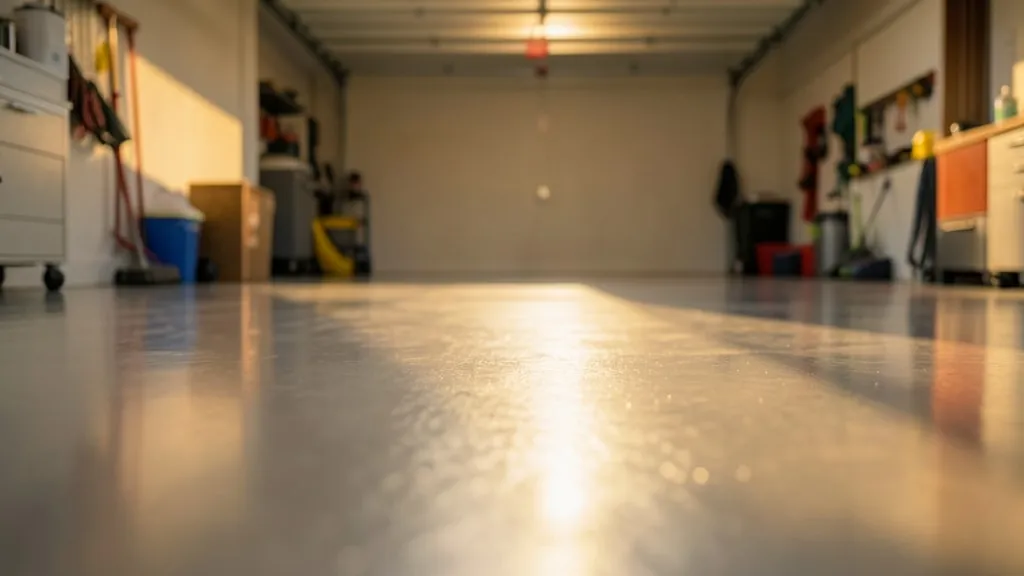
Pressure washing can transform your home’s curb appeal, but DIY mistakes often lead to costly damage. In our coastal climate, salt air and humidity demand expertise to clean safely and effectively. We break down when to tackle it yourself and when to call in the pros.
Why Pressure Washing Matters in Coastal South Carolina
Salt air, pollen, and humidity leave stubborn grime on homes near Garden City Beach. Without regular cleaning, mold, mildew, and algae can damage siding, decks, and driveways over time.
Our area’s warm, moist climate accelerates organic growth, making pressure washing a necessity—not just a cosmetic upgrade. It’s about protecting your investment, not just improving appearance.
DIY Pressure Washing: Pros and Potential Pitfalls
Renting a pressure washer gives you control over timing and lets you tackle small jobs like patio furniture or a garage floor. It’s cost-effective for simple, low-risk surfaces.
But most homeowners underestimate the learning curve. Incorrect PSI settings, wrong nozzles, or improper distance can etch concrete, strip paint, or damage wood—especially on older homes common in Surfside Beach and Pawleys Island.
Never pressure wash a roof yourself. High pressure can dislodge shingles, void warranties, and cause leaks. Soft wash systems are the only safe method for roofs.
When to Call a Professional Pressure Washing Team
For multi-story homes, delicate surfaces like stucco or cedar shake, or large areas like driveways and commercial properties in Murrells Inlet or Myrtle Beach, pros bring the right equipment and expertise.
We use commercial-grade machines with adjustable PSI, specialized detergents for salt and mildew, and soft wash techniques for roofs and delicate siding. This ensures deep cleaning without damage.
Time is another factor. A professional crew can clean an entire home in a few hours—work that might take a DIYer all weekend, with inconsistent results.
Surface-by-Surface: DIY vs Pro Comparison
Not all surfaces are created equal. Some handle DIY cleaning well; others require a professional touch to avoid irreversible damage.
| Surface | DIY Feasibility | Recommended Approach |
|---|---|---|
| Vinyl Siding | Moderate (risk of water intrusion) | Pro for multi-story or heavily soiled homes |
| Concrete Driveway | High (with proper nozzle and technique) | DIY for small areas; pro for large or stained driveways |
| Wood Deck | Low (risk of splintering or over-etching) | Pro with gentle PSI and sealing afterward |
| Roof (Asphalt/Composite) | None | Pro soft wash only |
| Brick or Stucco | Low (can dislodge mortar or damage finish) | Pro with low-pressure, wide-angle nozzle |
| Fence (Wood or Vinyl) | Moderate | DIY for ground-level; pro for tall or intricate fences |
| Commercial Storefront | None | Pro for efficiency, liability, and consistent results |
The Hidden Costs of DIY Pressure Washing
Rental fees, detergents, and your time add up quickly. But the real cost comes from mistakes: repairing damaged siding, replacing ruined decks, or fixing water intrusion from improper techniques.
In coastal areas, using the wrong cleaner can fail to remove salt deposits, leading to premature wear. Pros use solutions formulated for local conditions, like the high salinity near Garden City Beach.
A high-PSI machine won’t compensate for poor technique. Surface prep, detergent dwell time, and rinsing methods are just as critical as the pressure itself.
What the Pros Bring to the Table
Our team uses hot water pressure washers for grease and oil stains common in driveways near Murrells Inlet marinas. Cold water units, typical in DIY rentals, often struggle with these tough stains.
We also carry multiple nozzle tips (0° to 65°) to match the surface. A 0° nozzle can cut through grime but will damage wood or siding in untrained hands.
Safety is non-negotiable. Pros wear protective gear, secure ladders properly, and use extension wands to avoid dangerous heights—critical for two-story homes in Surfside Beach.
Seasonal Timing for Pressure Washing in Garden City Beach
Spring and fall are ideal for exterior cleaning. Spring removes pollen and winter grime, while fall preps your home for salt air and moisture from winter storms.
Avoid pressure washing in extreme heat or direct sunlight. The water can dry too quickly, leaving streaks or residue—especially on vinyl siding.
Best Times to Schedule Pressure Washing
- Early morning or late afternoon to avoid rapid drying
- Overcast days for even cleaning results
- Before sealing decks or repainting siding
- After heavy pollen seasons (March–May)
How to Pressure Wash a Driveway Safely (DIY Guide)
If you decide to DIY, start with a low-risk surface like a concrete driveway.
- 1Prep the Area
Remove cars, toys, and debris. Cover nearby plants with plastic sheeting to protect them from detergents.
- 2Choose the Right Nozzle
Use a 25° or 40° nozzle for concrete. A 0° or 15° nozzle can pit the surface.
- 3Test Pressure and Distance
Start with the wand 12–18 inches from the surface, using the lowest PSI setting. Test on a small, hidden area first.
- 4Apply Detergent (If Needed)
Use a concrete-safe detergent for oil stains or heavy grime. Let it dwell for 5–10 minutes before rinsing.
- 5Rinse Thoroughly
Work in sections, rinsing from top to bottom. Avoid blasting the same spot for more than a few seconds.
Frequently Asked Questions
Can I pressure wash my own house in Garden City Beach?
You can, but it’s risky for multi-story homes or delicate materials like stucco or cedar. Many DIYers damage siding or void warranties by using too much pressure. For peace of mind, request a quote from a local pro.
How often should I pressure wash my home near the coast?
In our salty, humid climate, we recommend annual cleaning for most homes. Properties near the beach or in high-pollen areas like Pawleys Island may need it twice a year to prevent long-term damage.
What’s the difference between pressure washing and soft washing?
Pressure washing uses high PSI to blast away dirt, ideal for concrete or brick. Soft washing uses low pressure with specialized detergents to safely clean delicate surfaces like roofs, vinyl siding, or wood decks.
Will pressure washing remove mold and mildew stains for good?
Pressure washing removes existing growth, but mold and mildew return without preventive measures. Pros often apply algaecides or sealants to slow regrowth, especially in shaded, moist areas common in Murrells Inlet.
Do I need to seal my deck after pressure washing?
Yes. Pressure washing opens the wood’s pores, making it more susceptible to moisture and UV damage. Sealing within 48 hours of cleaning extends your deck’s life and maintains its appearance.
Can pressure washing damage my landscaping?
Yes, if not done carefully. High-pressure water and detergents can harm plants. Pros use plant-safe cleaners and protect vegetation with coverings. DIYers should rinse plants immediately if overspray occurs.