Post-Storm Cleanup: Why Pressure Washing is Critical in Garden City Beach
Coastal storms leave behind more than just debris. Salt spray, wind-driven grit, and organic buildup can eat away at your home’s exterior long after the skies clear. We’ve seen firsthand how timely pressure washing prevents costly damage across Garden City Beach and neighboring areas like Surfside Beach and Murrells Inlet.
How Storms Accelerate Exterior Wear
Hurricane season and winter nor’easters blast properties with salt, sand, and organic matter. These contaminants cling to siding, decks, and driveways, creating the perfect environment for mold and mildew.
Salt residue alone can corrode metal fixtures and degrade paint within weeks. In our coastal climate, this isn’t just unsightly—it’s a fast track to structural issues like wood rot or concrete pitting.
The Hidden Risks of DIY Post-Storm Cleaning
Renting a pressure washer and blasting away at storm grime might seem straightforward. But improper PSI or nozzle selection can etch vinyl siding, strip paint, or even drive water behind your home’s wrap.
Coastal homes often have unique materials like cedar shakes or stained concrete that require specialized techniques. A misstep here can turn a cleanup into a repair project.
Never pressure wash a roof with high PSI—it can dislodge shingles and cause damage. Soft wash is the only safe method for asphalt or architectural shingles.
Pressure Washing vs. Soft Washing: What’s the Difference?
Pressure washing uses high PSI (2,000–4,000) to remove tough stains from hard surfaces like driveways or brick. It’s ideal for concrete cleaning or graffiti removal in areas like Murrells Inlet.
| Surface | Recommended Method | Why It Works |
|---|---|---|
| Vinyl/Stucco Siding | Soft Wash | Low pressure + specialized cleaners kill mold without damaging surfaces |
| Wood Decks/Fences | Soft Wash or Low-PSI Pressure Wash | Prevents splintering and preserves sealants |
| Concrete Driveways | Pressure Wash (3,000+ PSI) | Removes embedded salt, sand, and oil stains |
| Asphalt Roofs | Soft Wash Only | High pressure can lift shingles; bleach-based solutions eliminate algae |
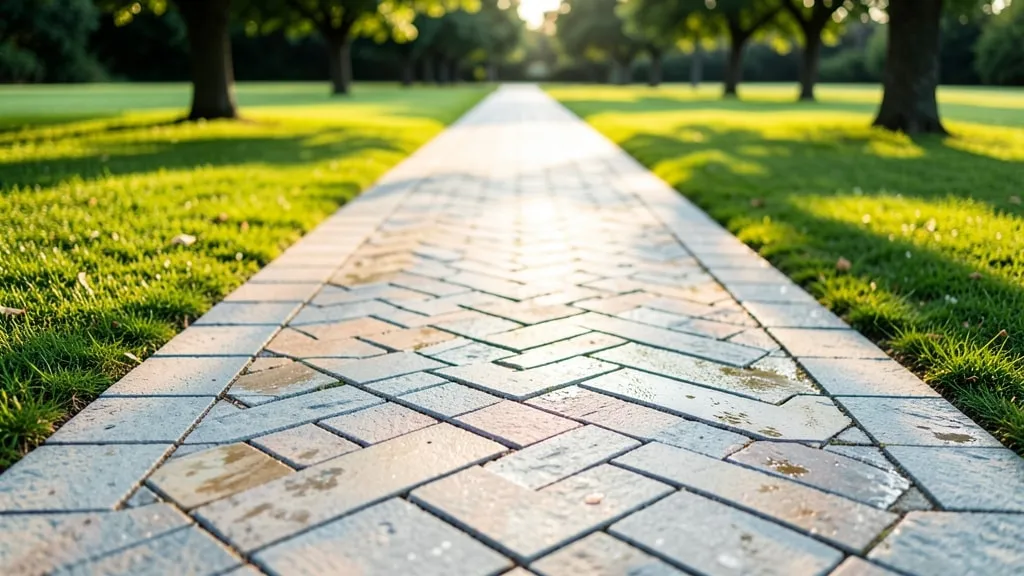
| Pavers/Bricks | Pressure Wash (2,500–3,000 PSI) | Restores color and removes moss from joints |
Why Timing Matters After a Storm
Mold and mildew spores can take root within 24–48 hours of a storm. The longer they sit, the deeper they penetrate porous surfaces like wood or grout.
In Garden City Beach, the humid subtropical climate means these issues spread faster than in drier regions. A prompt pressure wash interrupts this cycle before it leads to permanent staining or decay.
Surfaces That Need Immediate Attention
Roofs are the most vulnerable. Algae and moss retain moisture, accelerating shingle degradation. A soft wash here can add years to your roof’s lifespan, especially in neighborhoods near the marsh.
Decks and fences absorb storm debris like a sponge. Without cleaning, trapped moisture leads to warping, splitting, or rot—common issues we address from Pawleys Island to Myrtle Beach.
Driveways and walkways collect sand, salt, and organic stains that become permanent if ignored. Pressure washing restores traction and curb appeal.
The Role of Detergents in Storm Cleanup
Water alone won’t cut through the oily film left by salt spray or the black streaks of algae. We use biodegradable detergents tailored to the surface—bleach-based for roofs, degreasers for driveways, and pH-neutral cleaners for painted surfaces.
In coastal areas, these cleaners also neutralize salt deposits that can reactivate with humidity, causing recurring stains.
If you’re tackling a small area yourself, pre-treat with a 50/50 mix of water and white vinegar to loosen mildew before pressure washing.
Commercial Properties Aren’t Immune
Storefronts, parking lots, and signage in Garden City Beach take a beating during storms. Salt and sand can etch glass, while organic growth on awnings or sidewalks creates slip hazards.
Regular pressure washing—especially after major weather events—keeps businesses in Surfside Beach or Myrtle Beach looking professional and safe for customers.
Long-Term Benefits Beyond Aesthetics
Removing storm debris isn’t just about looks. Clean surfaces reflect heat better, reducing cooling costs in our hot summers. Pressure washing also prevents premature replacement of siding, roofs, or decks.
For rental properties, it’s a proactive way to maintain value and avoid tenant complaints about mold or slippery walkways.
Signs Your Property Needs Post-Storm Pressure Washing
- Visible black or green streaks on roofs or siding
- White, chalky residue (salt) on windows or railings
- Moss or algae growing in shady areas of decks or driveways
- Stains that won’t come off with a garden hose
- Musty odors near exterior walls or under decks
How to Prep Your Property for Professional Pressure Washing
A little prep ensures great results and protects your landscape.
- 1Clear the Area
Move patio furniture, potted plants, and vehicles at least 6 feet from the work zone. This gives our team access and prevents damage from overspray.
- 2Close Windows and Doors
Seal all openings to prevent water intrusion. Check that window screens are secure or remove them if they’re loose.
- 3Cover Sensitive Plants
Use tarps or plastic sheeting to shield gardens, especially if we’re using detergents. Coastal plants like sea oats or palmetto can be sensitive to cleaners.
- 4Identify Problem Areas
Point out stains, mold, or damage to our team during the walkthrough. This helps us tailor the pressure and cleaners for each surface.
- 5Secure Loose Items
Ensure gutters, downspouts, and outdoor decor (like flags or wind chimes) are fastened. High-pressure streams can dislodge loose objects.
Frequently Asked Questions
How soon after a storm should I schedule pressure washing in Garden City Beach?
Ideally within 1–2 weeks. This window prevents mold and mildew from taking hold while allowing time for debris removal and safety checks. If you see visible growth or salt residue, don’t wait.
Can pressure washing remove storm damage like chipped paint or cracked concrete?
No—pressure washing cleans surfaces but doesn’t repair damage. However, it reveals underlying issues (like peeling paint or spiderweb cracks) so you can address them before they worsen.
Is soft washing safe for all types of roofs?
Soft washing is safe for asphalt, architectural shingles, and most composite roofs. It’s not recommended for flat roofs with membrane systems or certain tile roofs—these require specialized cleaning. When in doubt, request a quote for an assessment.
Will pressure washing my deck remove the stain or sealant?
If the stain is old or poorly applied, high pressure can strip it. We adjust PSI and use wide-angle nozzles to clean without damaging the finish. For heavily weathered decks, we may recommend re-staining after cleaning.
Do you offer pressure washing for boats or docks in the Garden City Beach area?
Yes. Salt and barnacles on docks, piers, or boat lifts require specialized equipment and cleaners. We also handle graffiti removal on public docks in Murrells Inlet and Pawleys Island.
How does coastal climate affect how often I should pressure wash?
Salt air, humidity, and frequent storms mean coastal properties typically need cleaning every 6–12 months. Homes near the marsh or ocean may require it twice a year to prevent buildup.