How Pressure Washing Prevents Mold and Mildew Damage in Garden City Beach
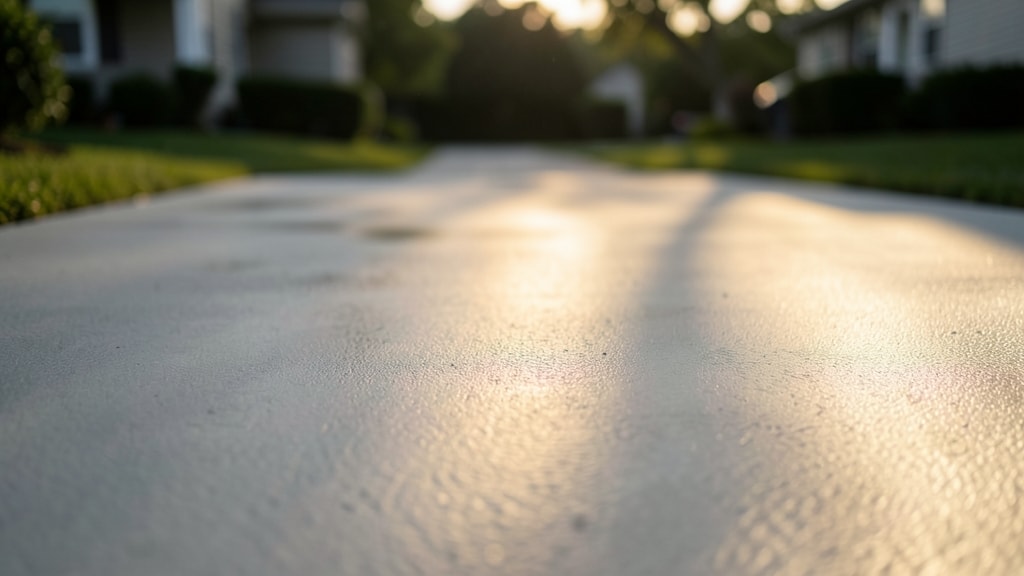
Garden City Beach’s warm, humid climate is a breeding ground for mold and mildew. These aren’t just eyesores—they degrade surfaces and pose health risks. We use targeted pressure washing techniques to remove spores and prevent regrowth before they take hold.
Why Mold and Mildew Thrive in Coastal South Carolina
Our area’s high humidity, frequent rain, and salt air create perfect conditions for mold and mildew. These organisms feed on organic materials like wood, dirt, and even some paints, spreading rapidly across siding, decks, and roofs.
Unlike inland areas, the coastal environment accelerates growth. Without intervention, colonies can double in size within days, especially after storms or prolonged damp spells.
The Damage Mold and Mildew Cause to Your Property
Mold and mildew don’t just stain—they actively break down surfaces. On wood decks and fences, they cause rot. On vinyl siding, they lead to discoloration and premature aging.
Left unchecked, they can even compromise structural integrity. Roof shingles lose granules, concrete develops pitting, and paint peels faster. The longer they sit, the costlier the repairs.
| Surface | Type of Damage | Long-Term Risk |
|---|---|---|
| Wood Decks/Fences | Rot, warping, splintering | Structural failure |
| Vinyl Siding | Staining, chalking, embrittlement | Reduced curb appeal, cracks |
| Concrete/Driveways | Pitting, discoloration | Surface erosion |
| Roof Shingles | Granule loss, lifting edges | Leaks, shortened lifespan |
| Painted Surfaces | Peeling, bubbling | Exposed substrate, further decay |
How Pressure Washing Stops Mold and Mildew in Their Tracks
High-pressure water alone isn’t enough. We combine PSI (2,000–4,000 for most surfaces) with specialized detergents—often sodium hypochlorite-based—to kill spores at the root.
Soft wash systems are critical for delicate surfaces like roofs and painted wood. These use lower pressure (500–1,000 PSI) but higher detergent concentrations to lift contaminants without damage.
Always follow pressure washing with a mildew-resistant sealant on wood and a protective coating on concrete. This extends the clean by months, even in our humid climate.
Soft Wash vs. Traditional Pressure Washing for Mold Removal
Traditional pressure washing blasts away surface grime but may not kill embedded spores. Soft wash, however, penetrates porous materials to eradicate mold and mildew at the source.
For roofs in Surfside Beach or Murrells Inlet, soft wash is non-negotiable. High pressure can strip shingles or force water beneath them, leading to leaks. We always match the method to the material.
The Best Times to Pressure Wash for Mold Prevention
Timing matters. Early spring and late fall are ideal—temperatures are mild, and humidity is lower. This gives surfaces time to dry fully, reducing immediate regrowth.
After hurricane season, a thorough cleaning removes salt, sand, and organic debris that fuel mold. We also recommend a mid-summer wash for homes near Pawleys Island, where shade and moisture linger.
Using a consumer-grade pressure washer at the wrong PSI can etch concrete, strip paint, or damage siding. Improper detergent ratios may also harm plants or leave residue that attracts more mold.
Surfaces That Need Regular Attention in Garden City Beach
Houses with vinyl or Hardie Board siding trap moisture against the sheathing. A yearly wash prevents black streaks and white mildew patches common in neighborhoods near the marsh.
Driveways and walkways accumulate algae, which becomes slippery and unsightly. Concrete cleaning with a degreaser and high-pressure rinse restores traction and appearance.
Decks and fences in Myrtle Beach or Surfside Beach often face south, baking in UV and humidity. A bi-annual clean and seal keeps them looking new and structurally sound.
Signs Your Home Needs Professional Pressure Washing
Black, green, or white streaks on siding or roofs are the most obvious red flags. Less noticeable: a musty smell near exterior walls or a gritty feel on surfaces that should be smooth.
If you see peeling paint, bubbling, or dark spots under eaves, mold may already be compromising the substrate. The sooner we address it, the less invasive the remediation.
Mold & Mildew Warning Signs
- Dark streaks or patches on siding, roofs, or decks
- Musty odors near exterior walls or crawl spaces
- Peeling or bubbling paint on trim or doors
- Slippery green or black film on driveways or walkways
- White, powdery residue on wood or concrete
What to Expect During a Professional Mold-Focused Wash
We start with a site assessment to identify problem areas and surface types. Then we pre-treat with a mold-specific detergent, allowing it to dwell and break down spores.
Next, we use the appropriate pressure—soft wash for roofs and delicate surfaces, higher PSI for concrete and driveways. A final rinse removes all residue, and we inspect for missed spots or damage.
How to Maintain a Mold-Free Exterior Between Professional Washes
A few simple habits can extend the life of your pressure washing results.
- 1Trim Vegetation
Keep bushes, trees, and vines at least 12 inches away from your home’s exterior. This improves airflow and reduces shaded, damp areas where mold thrives.
- 2Clean Gutters Regularly
Clogged gutters overflow, soaking siding and foundations. Schedule gutter cleaning in Myrtle Beach at least twice a year, especially after fall leaf drop.
- 3Address Moisture Promptly
Fix leaky downspouts, standing water, or poor grading around your home. Even small puddles can lead to big mold problems.
- 4Use Mold-Resistant Products
When repainting or resealing, choose mildew-resistant paints and stains. These contain additives that inhibit spore growth.
- 5Inspect Annually
Walk your property every spring and fall. Look for early signs of mold, mildew, or algae, and address them before they spread.
Frequently Asked Questions
How often should I pressure wash my home in Garden City Beach to prevent mold?
Most homes need a professional wash every 12–18 months. If you’re near the water in Surfside Beach or Pawleys Island, consider annual service due to higher humidity and salt exposure.
Can pressure washing remove black mold stains from my roof?
Yes, but it requires a soft wash approach. High pressure can damage shingles, so we use low PSI and specialized cleaners to lift black algae (often mistaken for mold) safely.
Is bleach safe for pressure washing my deck?
Sodium hypochlorite (bleach) is effective but must be diluted properly. We use eco-friendly alternatives for wood decks to avoid weakening fibers or harming nearby plants.
Will pressure washing kill mold spores permanently?
No method kills spores permanently, but professional washing removes the majority and delays regrowth. Sealing surfaces afterward provides additional protection.
What’s the difference between mold and mildew, and does it matter for cleaning?
Mildew is a surface fungus (white or gray), while mold penetrates deeper (often black or green). Both require removal, but mold may need more aggressive treatment, especially on porous materials.
Do you offer pressure washing for commercial properties in Murrells Inlet?
Yes, we provide commercial pressure washing for storefronts, parking lots, and restaurant exteriors. Mold and mildew on business signage or sidewalks can deter customers and pose liability risks.