Pressure Washing vs. Soft Washing: Which Does Your Garden City Beach Home Need?
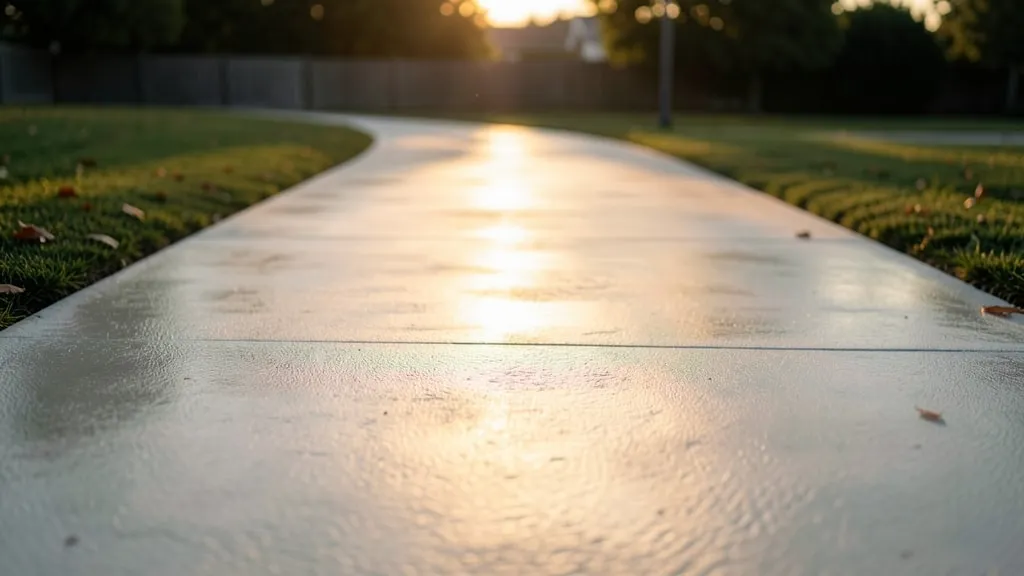
Homeowners in our coastal area often ask: is pressure washing or soft washing the right choice for their property? The answer depends on the surface, the stain, and the long-term health of your home. We’ll help you decide which method delivers effective results without causing damage.
What Is Pressure Washing?
Pressure washing uses high-pressure water—typically 1,500 to 4,000 PSI—to blast away dirt, grime, and debris from hard surfaces. It’s ideal for driveways, sidewalks, and concrete around Surfside Beach and Murrells Inlet, where salt and sand build up quickly.
The force of the water does the heavy lifting, but it’s not one-size-fits-all. Too much pressure can etch concrete, strip paint, or damage softer materials like wood. That’s why we adjust PSI and nozzle tips for each job.
What Is Soft Washing?
Soft washing relies on low pressure (under 500 PSI) combined with specialized cleaning solutions—often bleach-based or eco-friendly surfactants—to kill and remove organic stains like algae, mold, and mildew. It’s the go-to for delicate surfaces.
This method is safer for roofs, vinyl siding, and wood decks in Pawleys Island or Myrtle Beach, where humidity fuels rapid regrowth. The solutions penetrate deep, preventing stains from returning as quickly as they do after a pressure-only clean.
Soft washing doesn’t just clean—it treats the surface. For roofs and siding, this means months (or years) of protection against our coastal climate’s relentless mold and algae.
Key Differences at a Glance
The core difference lies in pressure and technique. Pressure washing is mechanical, while soft washing is chemical. One removes physical debris; the other eradicates biological growth.
| Factor | Pressure Washing | Soft Washing |
|---|---|---|
| Pressure Range | 1,500–4,000 PSI | Under 500 PSI |
| Primary Use | Hard surfaces (concrete, brick, stone) | Delicate surfaces (roofs, siding, wood) |
| Cleaning Agent | Water only (or mild detergent) | Bleach, surfactants, algaecides |
| Best For | Dirt, salt, oil stains, chewing gum | Mold, mildew, algae, lichen |
| Risk of Damage | High (if misused) | Low (when done correctly) |
| Drying Time | Quick | Longer (due to chemical dwell time) |
When to Choose Pressure Washing
Opt for pressure washing when you’re tackling tough, non-organic stains on durable surfaces. Think oil spots on your driveway, ground-in dirt on patio pavers, or salt deposits on your Myrtle Beach rental’s walkways.
It’s also the better choice for prepping surfaces before sealing or painting. The force removes loose paint and opens pores in concrete, ensuring adhesives and coatings bond properly.
Never use high pressure on roofs, stucco, or aged wood. Even concrete can pit if the nozzle is too narrow or the PSI too high. When in doubt, soft wash.
When Soft Washing Is the Smarter Choice
Soft washing shines on surfaces where pressure would cause harm. Roof shingles, vinyl or cedar siding, and wood decks in Garden City Beach’s salty air are prime candidates. The chemicals break down organic stains at the root.
It’s also ideal for gutter cleaning and window frames, where high pressure could bend or dislodge components. The gentle approach preserves your home’s integrity while restoring its look.
The Role of Climate in Your Decision
Our coastal humidity and salt air accelerate mold, mildew, and algae growth. Soft washing is often the long-term solution here, as it treats the source of the problem, not just the symptoms.
Pressure washing may be needed more frequently for driveways and sidewalks near the beach, where sand and salt are constant. Many homeowners in Surfside Beach and Pawleys Island alternate methods seasonally.
Can You DIY? Why Professional Matters
Renting a pressure washer seems simple, but improper use can damage property—or worse, injure someone. The wrong nozzle or PSI setting can strip siding or carve grooves into wood.
Soft washing requires precise chemical mixing and application. Overuse of bleach can harm plants or leave streaks. Our team knows the local water hardness, wind patterns, and surface types that affect results.
Signs You Need a Pro
- Stains return within weeks of cleaning
- Surfaces show signs of damage (e.g., etched concrete, frayed wood)
- You’re unsure about the material or its condition
- The job involves heights (e.g., roofs, second-story siding)
Complementary Services for a Full Clean
Pressure and soft washing often pair with other services for a complete exterior refresh. Gutter cleaning removes debris that can trap moisture, while window cleaning finishes the job with streak-free clarity.
For commercial properties in Murrells Inlet or Myrtle Beach, combining pressure washing with graffiti removal or concrete sealing ensures a polished, professional appearance.
How to Decide Between Pressure Washing and Soft Washing
Follow these steps to pick the right method for your project.
- 1Identify the Surface
Note the material (e.g., concrete, vinyl siding, cedar shakes). Hard, non-porous surfaces tolerate pressure; soft or porous ones need soft washing.
- 2Assess the Stain Type
Organic stains (mold, algae, lichen) respond best to soft washing. Inorganic stains (dirt, salt, oil) often require pressure.
- 3Check for Damage
Inspect for cracks, peeling paint, or weakened areas. If the surface is fragile, default to soft washing or a professional assessment.
- 4Consider the Environment
In high-humidity areas like Garden City Beach, soft washing may prevent faster regrowth. For heavy salt exposure, pressure washing may be needed more often.
- 5Evaluate Accessibility
Hard-to-reach areas (e.g., roofs, second stories) are safer with soft washing or professional equipment. Never risk personal safety for a DIY clean.
- 6Plan for Maintenance
Soft washing often lasts longer for organic stains. Pressure washing may need repeating for high-traffic or high-exposure surfaces. Request a quote to compare long-term value.
Frequently Asked Questions
Is soft washing safe for my roof in Garden City Beach?
Yes, when done correctly. Soft washing uses low pressure and specialized solutions to kill algae and mold without damaging shingles. It’s the recommended method for asphalt, tile, and metal roofs in our coastal climate.
Can pressure washing remove oil stains from my driveway?
Absolutely. High-pressure water, often combined with a degreaser, can lift oil, grease, and tire marks from concrete or asphalt. For stubborn stains, we may pre-treat the area before pressure washing.
How often should I soft wash my home’s siding?
In our area, once a year is typical for vinyl or fiber cement siding. Homes near the beach or surrounded by trees may need it every 6–9 months due to faster mold and mildew buildup.
Will pressure washing damage my brick patio?
It can, if the pressure is too high or the nozzle is too close. Brick is porous and can erode under excessive PSI. We use a wide-angle tip and lower pressure to clean brick safely.
What’s the difference between soft washing and power washing?
Power washing is essentially pressure washing with heated water, which can help with grease or gum. Soft washing always uses low pressure and chemicals. The terms are often confused, but the methods are distinct.
Do I need to move my outdoor furniture before pressure washing?
Yes. Pressure washing can displace debris at high speeds, potentially damaging furniture, cushions, or decor. We recommend clearing the area and covering nearby plants or electrical outlets.