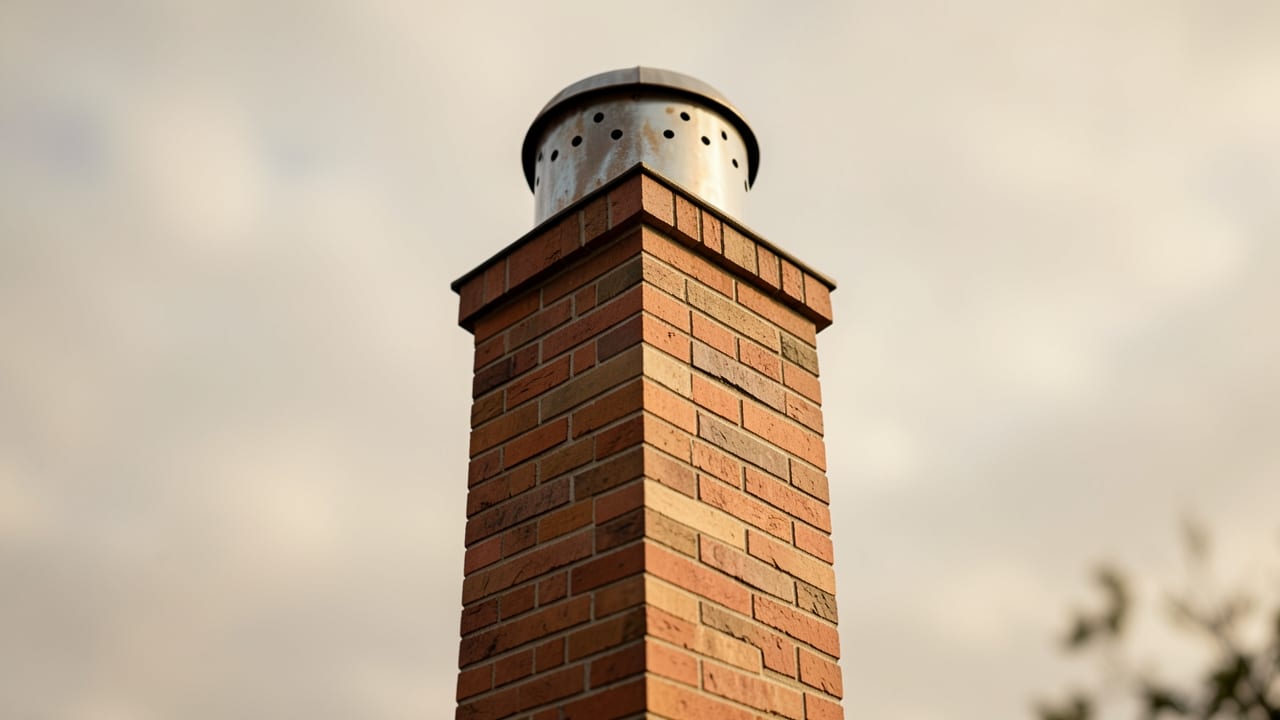
Chimney Exterior Cleaning in Murrells Inlet, SC
Chimney Exterior Cleaning for Murrells Inlet, SC properties — Murrells Inlet is just south of Garden City Beach, across the county line.
Chimney exterior cleaning in Murrells Inlet removes soot, mold, and salt residue from brick and masonry, restoring appearance and preventing long-term decay. The work involves low-pressure washing with specialized detergents to protect the structure while lifting stains. Crews in the area typically service chimneys along the same routes that cover Garden City Beach, just across the county line. It is handled efficiently to minimize disruption, ensuring chimneys remain clean and structurally sound in the coastal climate.
Why chimney exterior cleaning matters in Murrells Inlet
Chimney exterior cleaning in Murrells Inlet removes salt spray and moisture residue that waterfront properties accumulate from the nearby Atlantic, preventing corrosion and staining. The work involves scrubbing and treating the masonry or metal to protect against the harsh coastal climate. Crews in the area typically address buildup from seabreeze exposure, which can degrade chimneys faster than inland conditions. It is handled by thorough cleaning to maintain structural integrity and appearance in this salt-air environment.
This service is also available via Chimney Exterior Cleaning and Murrells Inlet, SC.
What chimney exterior cleaning actually involves, step by step
Mortar condition check. The mortar joints between bricks or stones are checked for crumbling or recession before cleaning starts, since old or soft mortar erodes under a pressure setting that the brick or stone itself would tolerate without any issue.
Low-to-medium pressure wash. Masonry is generally cleaned at a lower pressure than concrete, working across the face of the wall rather than directly into the joint lines, since aiming straight into a mortar joint is the fastest way to accelerate erosion that would otherwise take years.
Efflorescence and staining treatment. The white mineral haze called efflorescence, along with organic staining, is treated with a masonry-safe solution rather than scrubbed or blasted off, since aggressive mechanical cleaning can pit or lighten the face of softer brick and natural stone.
Detail work at joints and edges. Corners, window sills, and areas immediately around the mortar joints are finished at reduced pressure and closer distance control, balancing getting the grime out of the texture of the material against not accelerating wear on the joint itself.
Rinse and joint inspection. A final rinse clears loosened residue, and the mortar joints are checked once more now that they are wet and easier to see, since cleaning often reveals joint deterioration that was not obvious under years of surface grime.
What goes wrong when chimney exterior cleaning is done badly
Accelerated mortar erosion. Directing pressure straight into a mortar joint instead of across the brick face erodes mortar that is already recessed or crumbling far faster than normal weathering would, and re-pointing that joint afterward costs more than the cleaning itself.
Pitting soft brick or stone. Older or softer brick and natural stone can pit or lose surface texture under a pressure level that a harder modern brick handles without issue, which is why the same setting used on a newer building is not automatically safe on an older one.
Trapping moisture behind masonry. Washing masonry heavily right before a cold snap, without time to dry, can leave water in the pores of brick or stone that then freezes and expands — a freeze-thaw cycle that cracks the face of the material from the inside.
How to choose who does the work in Murrells Inlet
Does the quote specify the PSI and method — pressure wash vs. soft wash — for each surface? The wrong PSI on siding, roofing, or wood can cause damage, so the method should be disclosed per surface, not left as one generic number. Is a written scope listing every surface included — driveway, siding, deck, roof, fencing — provided? Bundled pricing sometimes covers only one or two surfaces despite sounding comprehensive. Are the cleaning chemicals used, and their effect on nearby landscaping and pets, disclosed before the job? Soft-wash detergents vary in strength, and runoff can affect plants or pets nearby. Does the estimate distinguish concrete or driveway work from roof or siding work? Roof and siding washing typically require lower pressure and different technique than concrete, and pricing that lumps them together can hide risk. What is the policy if pressure washing reveals pre-existing damage, like cracked paint or loose mortar? Pre-existing conditions can surface once dirt is removed, so it helps to know how that gets handled before agreeing to the job. Is post-treatment sealing for driveways or decks included in the price or billed separately? Sealing is often an add-on, not part of a basic wash.
No mention of PSI or method — pressure vs. soft wash — for each surface. The wrong pressure on siding, roofing, or wood can cause real damage, and a quote that has not specified method per surface has not actually assessed the job. A price far below every comparable bid for the same square footage. An unusually low price can mean lower-grade equipment, no pre-treatment chemical, or rushed coverage that leaves streaking. No mention of what chemicals are used or their effect on landscaping. Undisclosed chemical strength is how plants and grass near the work area end up damaged. Full payment demanded before the job starts. Paying in full upfront removes leverage if streaking, missed spots, or damage shows up afterward. Pressure to add extra services on the spot without a separate written price. Add-ons proposed in the moment are harder to compare against other bids.
The work begins with an assessment of the chimney’s condition, including the type of material, level of staining, and any visible damage. Providers in Garden City Beach, SC evaluate accessibility and surrounding areas to determine the appropriate pressure settings and cleaning methods for safe, effective results.
Reach out for a firm quote on chimney exterior cleaning in Murrells Inlet; the same scheduling and pricing apply here as anywhere else covered.
See Chimney Exterior Cleaning in Georgetown, SC for more — or discover our full Garden City Beach-area coverage on a single page for our complete service area.
Serving Murrells Inlet, SC
Ready to get started?
Talk to a local pressure washing pro serving Murrells Inlet, SC — get a written quote.
Other Services We Offer in Murrells Inlet, SC
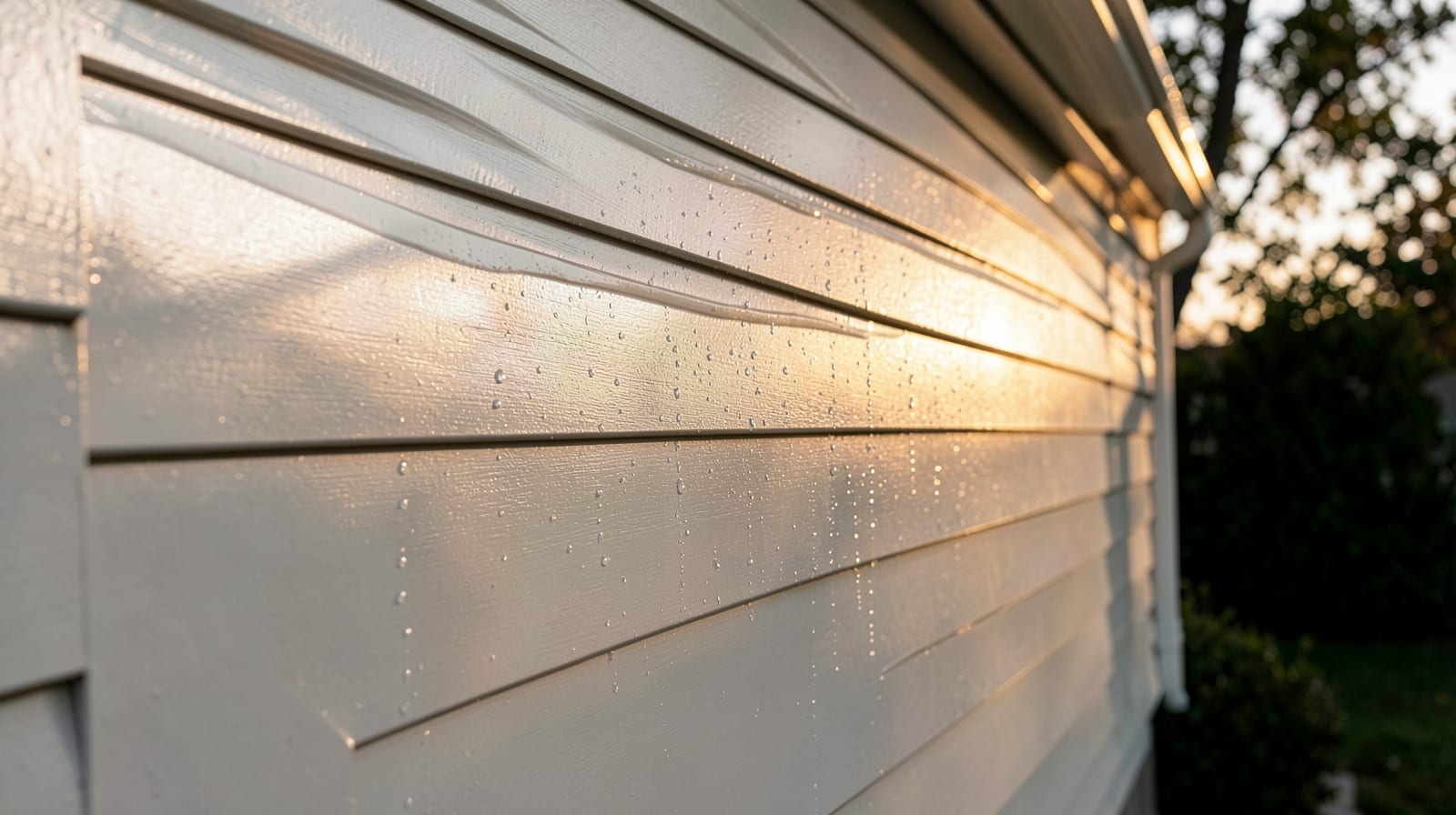
House Washing in Murrells Inlet, SC
House Washing for Murrells Inlet, SC properties — Murrells Inlet is just south of Garden City Beach, across the county line.
Learn More
Driveway & Concrete Cleaning in Murrells Inlet, SC
Driveway & Concrete Cleaning for Murrells Inlet, SC properties — Murrells Inlet is just south of Garden City Beach, across the county line.
Learn More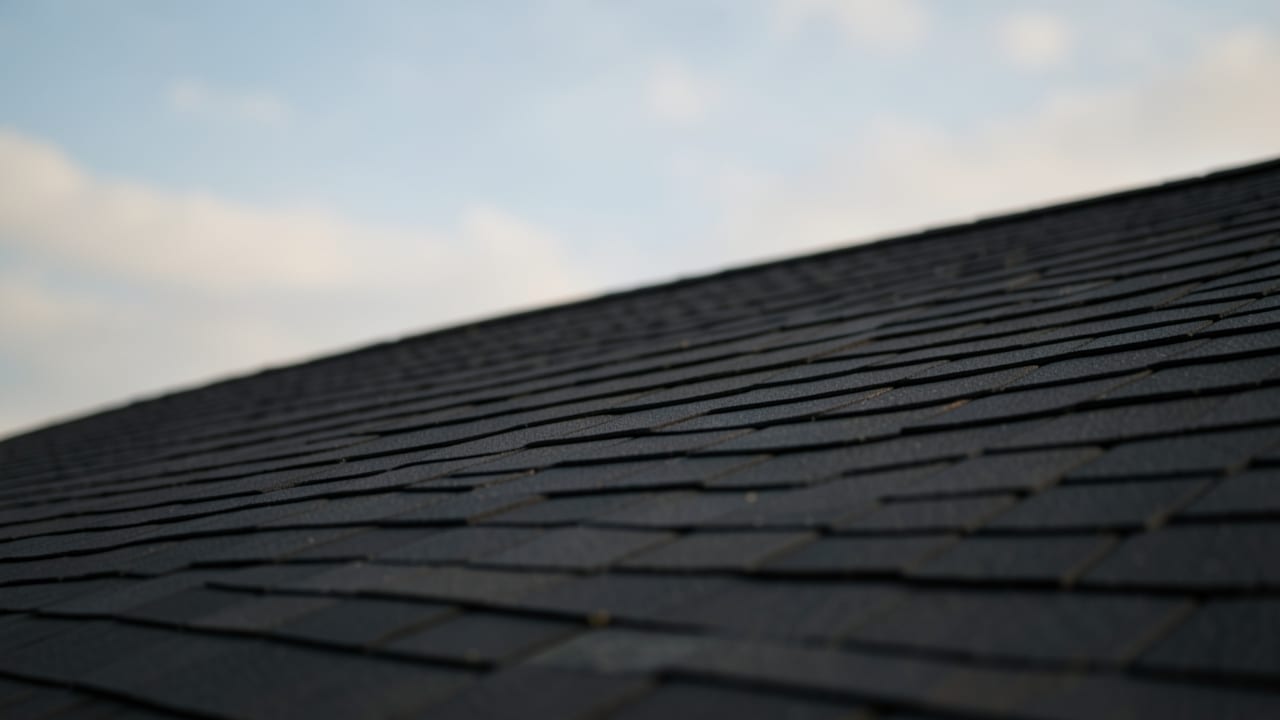
Roof Washing (Soft Wash) in Murrells Inlet, SC
Roof Washing (Soft Wash) for Murrells Inlet, SC properties — Murrells Inlet is just south of Garden City Beach, across the county line.
Learn MoreDeck & Fence Cleaning in Murrells Inlet, SC
Deck & Fence Cleaning for Murrells Inlet, SC properties — Murrells Inlet is just south of Garden City Beach, across the county line.
Learn MoreGutter Cleaning in Murrells Inlet, SC
Gutter Cleaning for Murrells Inlet, SC properties — Murrells Inlet is just south of Garden City Beach, across the county line.
Learn More
Window Cleaning in Murrells Inlet, SC
Window Cleaning for Murrells Inlet, SC properties — Murrells Inlet is just south of Garden City Beach, across the county line.
Learn MoreThe same service is also covered in Georgetown, SC , on the same terms.
Common Questions About Pressure Washing in Murrells Inlet, SC
Everything you need to know about pressure washing services in Murrells Inlet, SC
How much does Chimney Exterior Cleaning typically cost in Murrells Inlet, SC?
Why does algae and mildew growth on homes in Murrells Inlet, SC come back so quickly?
Can the wrong PSI actually damage a house or driveway?
What's the actual difference between pressure washing and soft washing?
How often should a home's exterior actually be washed?
Need Pressure Washing in Murrells Inlet, SC?
Get a written quote from our Murrells Inlet, SC crew.
⏰ We answer your call • Serving all of Murrells Inlet, SC and surrounding areas