
Vinyl Fence Cleaning
High-pressure cleaning to remove dirt, mold, and grime from vinyl fences, restoring their appearance.
Vinyl fence cleaning in Garden City Beach, SC, uses pressurized water to remove dirt, mildew, and stains from vinyl fences, restoring their appearance and protecting them from long-term damage.
The process is tailored to the local climate, which includes high humidity and frequent coastal exposure, helping to maintain the curb appeal of your property without harsh chemicals.
We also handle House Washing and Driveway & Concrete Cleaning for Garden City Beach properties.
Why vinyl fences need cleaning
Vinyl fences in Garden City Beach face constant exposure to salt air, humidity, and debris, which can lead to discoloration, mildew buildup, and a dull appearance over time. Unlike wood, vinyl doesn’t rot or warp, but grime and algae can embed in the surface, making it look worn.
Regular cleaning helps prevent long-term degradation and keeps your fence looking fresh.
Signs your fence needs cleaning include a gray or black film on shaded areas, streaks from water runoff, or a generally dull, dirty look. If left untreated, these issues can make the fence appear older and reduce its lifespan.
Cleaning also helps maintain your property’s value and curb appeal, especially in a coastal area where first impressions matter.
Signs Your Vinyl Fence Needs Cleaning
- A gray or black film concentrated in shaded areas, under railings, or in corners where moisture lingers.
- Visible streaks or water marks from runoff, indicating dirt has embedded into the surface.
- A dull or dirty appearance overall, even if no mildew is visibly growing—grime buildup can still damage the vinyl over time.
- Debris like leaves or sand stuck to the fence, which can scratch or discolor the surface if left too long.
What affects cleaning cost and timing
The cost and time required for vinyl fence cleaning depend on factors like fence size, height, and how deeply dirt or mildew has penetrated the surface. Tall or intricate fences with multiple panels may take longer to clean thoroughly.
Additionally, the local climate in Garden City Beach—with its salt air and humidity—can accelerate dirt buildup, meaning more frequent cleaning may be needed compared to inland areas.
Accessibility also plays a role. Fences with difficult-to-reach sections, such as those with tight corners or obstructions like plants or outdoor furniture, may require extra time and care. A detailed inspection before cleaning helps determine the best approach for your specific fence.
| Factor | Impact on Cleaning |
|---|---|
| Fence Size/Height | Larger or taller fences take more time and may require specialized equipment. |
| Dirt/Mildew Depth | Deeply embedded grime needs longer cleaning or multiple passes. |
| Accessibility | Obstructions or tight spaces slow down the process and may require hand detailing. |
| Local Climate | Salt air and humidity in Garden City Beach speed up dirt buildup, increasing frequency needs. |
Before and after: what to expect
Before cleaning, your vinyl fence may look dull, streaked, or covered in a gray or black film. After a thorough cleaning, the surface should appear uniformly bright, with no visible stains or mildew.
The texture may feel smoother, and the fence will look newer and more vibrant. However, results depend on the initial condition of the fence and how well maintenance is followed afterward.
Cleaning alone won’t restore severely damaged vinyl, such as cracked or warped panels. In such cases, repairs or replacement may be needed. Regular cleaning, however, helps extend the life of your fence by preventing buildup that can weaken the material over time.
After cleaning, rinse the fence with a garden hose to remove any loosened debris. Avoid using high-pressure settings that could damage the vinyl. For ongoing maintenance, wipe down the fence occasionally with a damp cloth to prevent dirt buildup, especially after storms or high winds.
How vinyl fence cleaning works
The process involves targeted pressure washing to remove dirt and mildew without damaging the vinyl.
- 1Inspection
The fence is inspected for damage or areas where mildew has deeply embedded. This helps determine the appropriate pressure and technique to avoid causing scratches or warping.
- 2Low-Pressure Detergent Application
A vinyl-safe detergent is sprayed at low pressure to break down grime and mildew. This step ensures the cleaning solution penetrates the surface without forcing water into seams or joints.
- 3Pressure Washing
Controlled pressure is used to rinse away loosened dirt and detergent. The pressure is adjusted to avoid damaging the vinyl while ensuring a thorough clean.
- 4Hand Detailing
Hard-to-reach areas, such as corners or tight spaces, are cleaned by hand or with a soft brush to ensure no streaks or missed spots remain.
- 5Final Rinse and Drying
The fence is rinsed with low-pressure water to remove all residue, then left to dry completely. Proper drying helps prevent water spots and ensures the fence is ready for any follow-up maintenance.
Frequently asked questions
How often should I clean my vinyl fence in Garden City Beach?
Vinyl fences in coastal areas like Garden City Beach typically need cleaning every 1-2 years, depending on exposure to salt air and humidity. If your fence is shaded or in a high-traffic area, more frequent cleaning may be necessary to prevent mildew buildup.
Can pressure washing damage my vinyl fence?
When done correctly, pressure washing is safe for vinyl fences. However, using too high a pressure or holding the nozzle too close can cause scratches or warping. A professional will adjust the settings based on your fence’s condition to avoid damage.
Will cleaning remove stains caused by mold or mildew?
Yes, proper cleaning with a vinyl-safe detergent can remove most mold and mildew stains. However, deeply embedded stains may require multiple passes or additional treatment. Regular cleaning helps prevent future buildup.
Do I need to seal my vinyl fence after cleaning?
Vinyl fences typically don’t require sealing like wood, but a protective spray can be applied after cleaning to enhance durability and resistance to future stains. This step is optional but can help extend the life of your fence in harsh coastal conditions.
See Hemingway, SC for more, or find out about every option available in Garden City Beach on a single page for our complete lineup.
Ready to get started?
Talk to a local pressure washing pro in Garden City Beach — get a written quote.
Other Pressure Washing Services in Garden City Beach
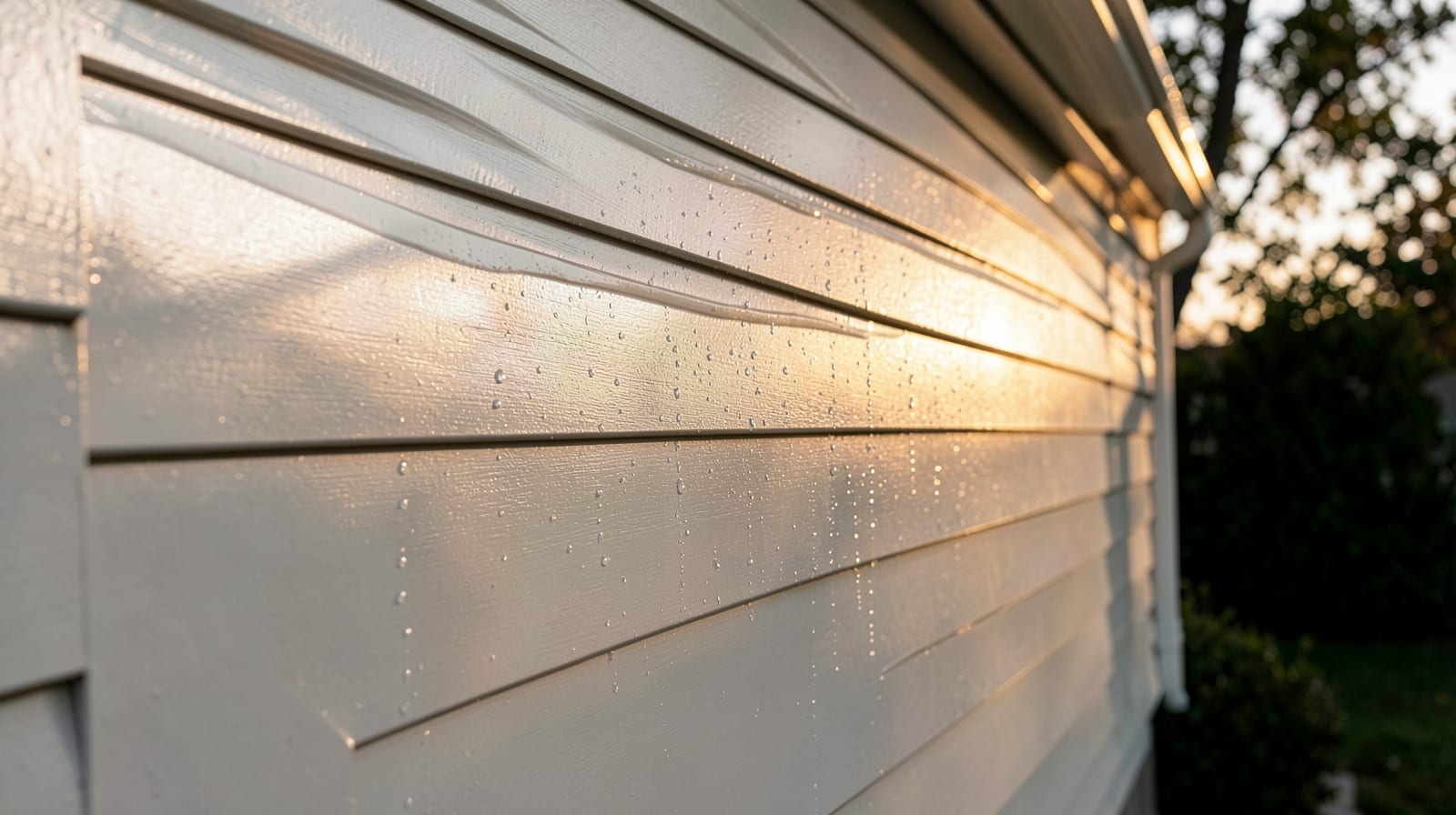
House Washing in Garden City Beach, SC
Soft-wash exterior house washing for siding, brick, and stucco in Garden City Beach, SC — removes dirt, algae, mildew, and salt residue, without damaging the surface.
Learn More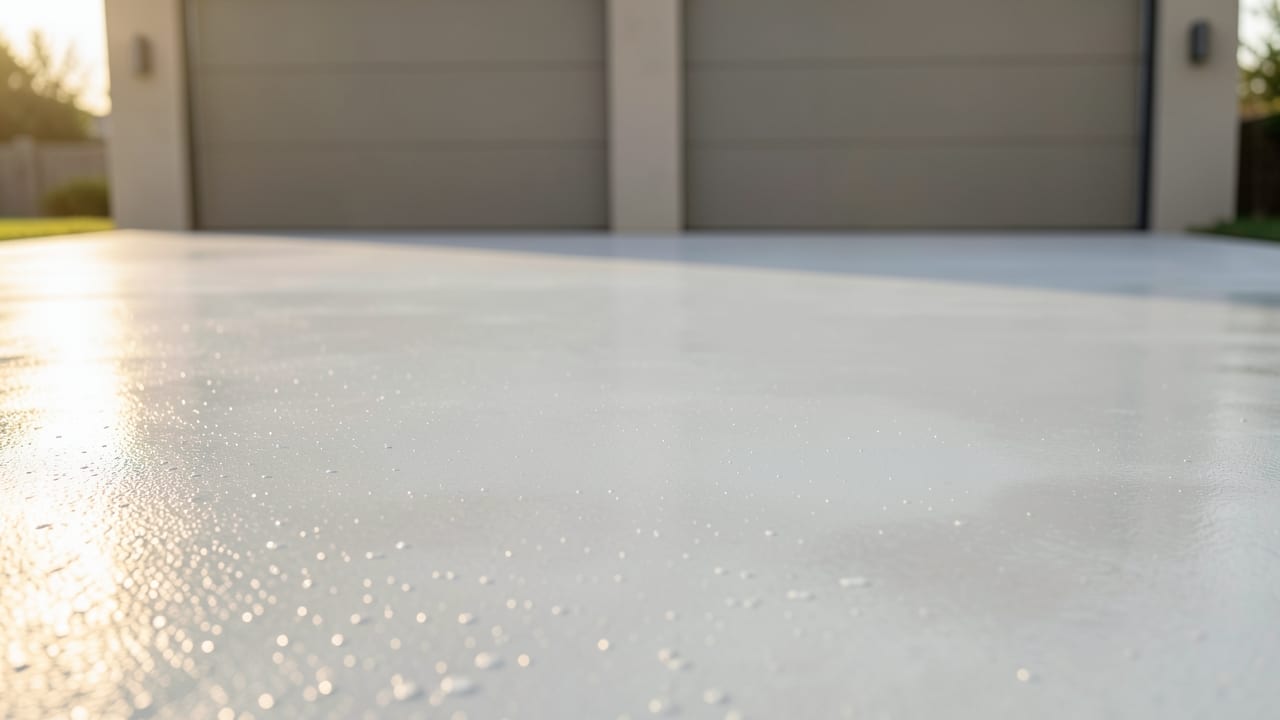
Driveway & Concrete Cleaning in Garden City Beach, SC
Pressure washing for driveways, walkways, and patios in Garden City Beach, SC — lifts oil stains, tire marks, and algae, mildew, and salt residue from concrete.
Learn More
Roof Washing (Soft Wash) in Garden City Beach, SC
Low-pressure soft-wash roof cleaning in Garden City Beach, SC removes algae streaks without damaging shingles.
Learn More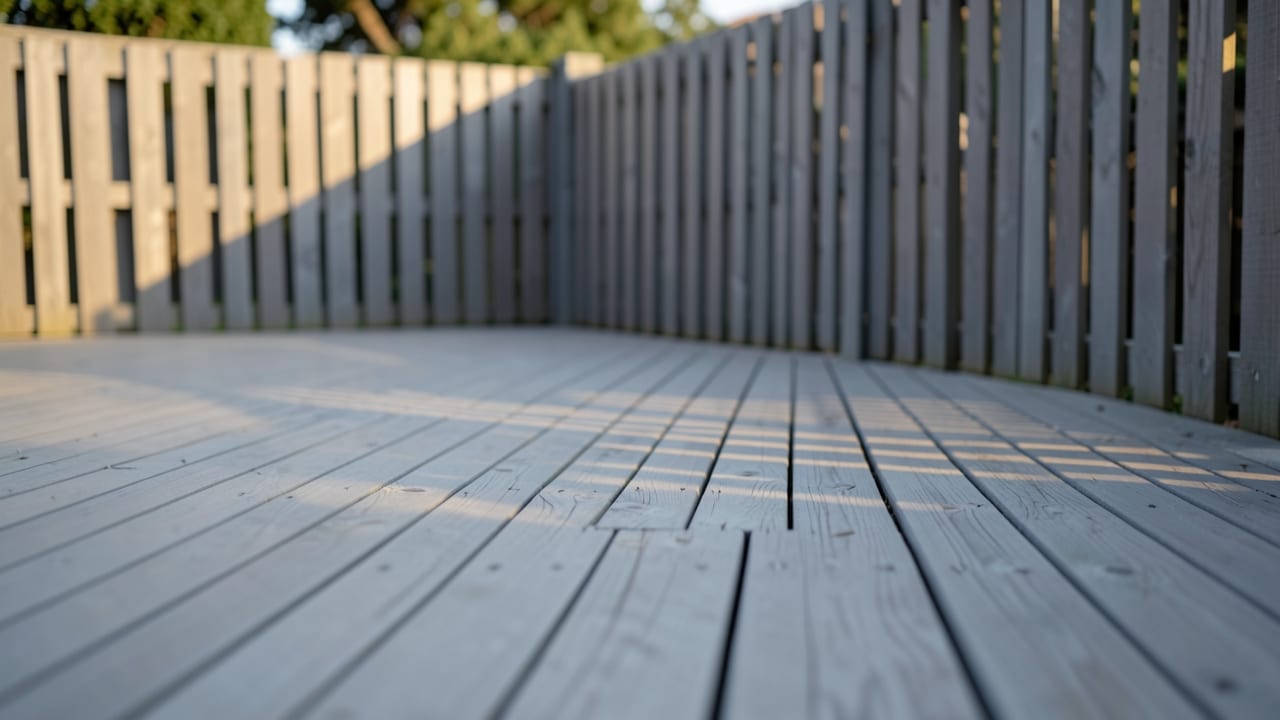
Deck & Fence Cleaning in Garden City Beach, SC
Wood and composite deck and fence cleaning in Garden City Beach, SC — restores surfaces before staining or sealing.
Learn More
Gutter Cleaning in Garden City Beach, SC
Gutter and downspout cleaning in Garden City Beach, SC to clear leaf buildup and keep water flowing away from the foundation.
Learn More
Window Cleaning in Garden City Beach, SC
Exterior window and window-frame cleaning in Garden City Beach, SC, often bundled with a full house wash.
Learn MoreCommon Questions About Pressure Washing in Garden City Beach
Everything you need to know about pressure washing services in Garden City Beach
How much does Vinyl Fence Cleaning typically cost in Garden City Beach, SC?
Why does algae and mildew growth on homes in Garden City Beach, SC come back so quickly?
Can pressure washing strip paint or an existing sealant off a surface?
Is renting a pressure washer and doing the job at home a reasonable option?
How long does washing a typical house exterior take?
Can pressure washing damage concrete, pavers, or mortar joints?
Need Pressure Washing in Garden City Beach?
Get a written quote from our Garden City Beach crew.
⏰ We answer your call • Serving all of Garden City Beach and surrounding areas