The Pros and Cons of DIY Pressure Washing for Garden City Beach Properties
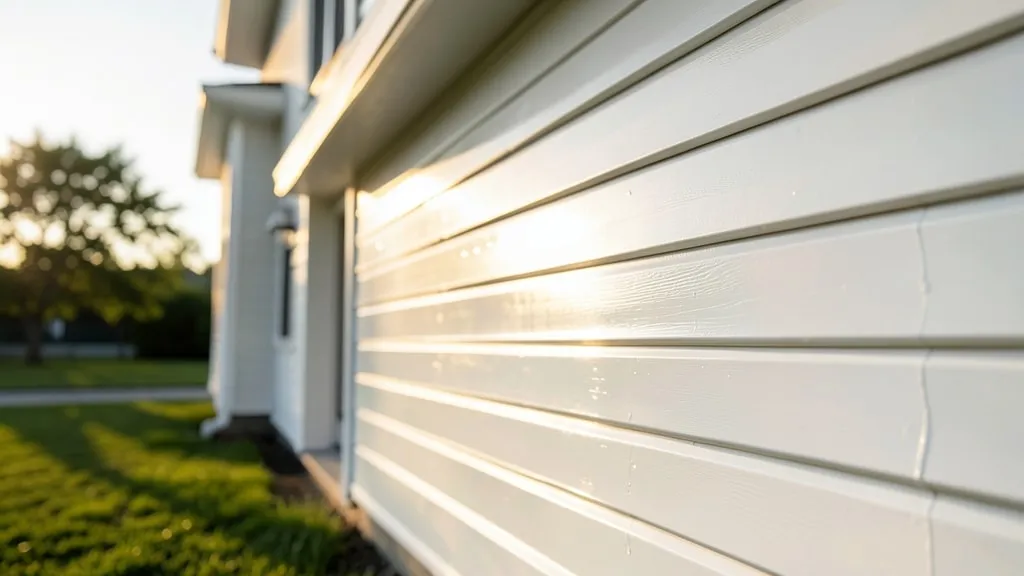
DIY pressure washing can be tempting for Garden City Beach homeowners looking to restore curb appeal. But coastal conditions—salt air, humidity, and stubborn mildew—add layers of complexity. We break down when rolling up your sleeves makes sense and when it’s smarter to call in our team.
Why Homeowners Consider DIY Pressure Washing
The immediate appeal is cost savings. Renting a pressure washer for a weekend often seems cheaper than hiring a pro, especially for small jobs like a patio or fence.
There’s also the satisfaction of tackling a project yourself. Seeing black streaks vanish from siding or a driveway return to its original color can be rewarding.
For quick touch-ups between professional cleanings, a light DIY pass can extend the life of your last service. This is common in areas like Surfside Beach and Murrells Inlet, where salt and pollen build up fast.
The Hidden Risks of DIY Pressure Washing
High PSI in the wrong hands can etch concrete, strip paint, or gouge wood. Even mid-range residential units (2,000–3,000 PSI) can damage surfaces if the nozzle is too close or the wrong tip is used.
Coastal homes face unique threats. Salt residue accelerates corrosion on metal fixtures and can pit glass if not rinsed properly. DIYers often overlook these nuances.
Improper technique can drive water behind siding or under roof shingles, leading to mold growth inside walls. This is a frequent issue we correct after DIY attempts in Pawleys Island and Myrtle Beach.
A 0° (red) nozzle creates a pinpoint, high-pressure stream that can cut skin and damage most surfaces. Always start with a 25° or 40° tip for residential cleaning.
When DIY Pressure Washing Makes Sense
Small, flat surfaces like a backyard grill, plastic outdoor furniture, or a concrete pad are ideal for DIY. These tolerate mistakes better and don’t require specialized detergents.
Regular maintenance—light rinses every few months—can prevent heavy buildup. This works well for decks and fences if you’re using the right PSI and keeping the wand moving.
If you’re comfortable with tools and willing to research, simple jobs like driveway cleaning can be manageable. Just avoid sealed or stained concrete, which can be easily damaged.
When to Call a Professional Pressure Washing Team
Multi-story homes require extension wands, lifts, or ladders—plus the skill to use them safely. Our team handles this daily in Garden City Beach’s raised beach houses and stilt homes.
Roof washing demands a soft wash system to avoid damaging shingles. DIY pressure washers can cause leaks that aren’t immediately visible.
Heavy mildew, algae, or oil stains often need commercial-grade detergents and hot water systems. These aren’t available at local hardware stores in Surfside Beach or Murrells Inlet.
| Project Type | DIY Feasibility | Pro Recommended |
|---|---|---|
| Single-story siding (vinyl, brick) | Moderate | No |
| Driveway & walkways (unsealed concrete) | High | No |
| Stained or sealed concrete | Low | Yes |
| Deck or fence (wood or composite) | Moderate | Yes for heavy stains |
| Roof (asphalt, metal, tile) | None | Yes |
| Second-story or higher | None | Yes |
| Commercial storefronts | None | Yes |
The Right Equipment for DIY Success
For most home projects, a pressure washer in the 2,000–2,800 PSI range with 1.5–2.0 GPM is sufficient. Gas-powered units offer more mobility; electric models are quieter but less powerful.
Nozzle tips are critical. Use a 25° tip for general cleaning, 40° for delicate surfaces like wood, and 15° for stubborn stains on concrete. Always test on a small area first.
Detergents matter in coastal climates. A mildew-specific cleaner (sodium hypochlorite-based) works best for siding, while a degreaser is ideal for driveways. Avoid household bleach—it’s too weak and can harm plants.
Apply detergent with a low-pressure soap nozzle, let it dwell for 5–10 minutes, then rinse. This breaks down grime before the high-pressure pass.
Safety Gear You Can’t Skip
Pressure washers can cause serious injury. Always wear closed-toe shoes, long pants, and safety goggles. The water stream can inject debris under skin at high speeds.
Ear protection is often overlooked but important with gas-powered units. Hearing damage is cumulative and easy to ignore until it’s too late.
For chemical safety, wear gloves and a respirator when handling concentrated detergents. This is especially true in enclosed spaces like under decks or in garages.
Essential DIY Pressure Washing Safety Kit
- ANSI-rated safety goggles
- Heavy-duty work gloves
- Closed-toe, non-slip shoes
- Ear protection (for gas models)
- Long sleeves and pants
- Respirator (for chemical application)
Common DIY Mistakes We See in Garden City Beach
Using too much pressure is the top culprit. Many DIYers crank the PSI to the max, assuming more power equals better results. It doesn’t—it just risks damage.
Skipping the pre-wash inspection leads to surprises. We’ve seen DIYers blast away loose caulk or rotten wood, turning a cleaning job into a repair project.
Ignoring the direction of water flow can force water into seams, vents, or electrical outlets. Always angle the wand downward and work in sections.
Long-Term Costs of DIY Gone Wrong
Repairing damage from improper pressure washing can dwarf the cost of hiring a pro. Replacing etched concrete, repainting stripped siding, or fixing a leaky roof adds up fast.
In coastal areas, improper cleaning can accelerate deterioration. Salt left behind or water trapped in wood can lead to premature rot or corrosion.
There’s also the time factor. A job that takes our team 2–3 hours can stretch into a full weekend for a DIYer—and may still yield lackluster results.
How to Pressure Wash a Driveway Safely
Follow these steps to clean a concrete driveway without causing damage.
- 1Prep the Area
Remove vehicles, toys, and debris. Cover nearby plants with plastic sheeting to protect them from detergent runoff.
- 2Pre-Treat Stains
Apply a concrete degreaser or mildew remover to oil spots or dark streaks. Let it sit for 10–15 minutes.
- 3Set Up the Pressure Washer
Use a 25° nozzle and set the PSI to 2,500–3,000. Hold the wand 12–18 inches from the surface and test on a small area first.
- 4Work in Sections
Start at the top of the driveway and work downward, overlapping passes by 50%. Keep the wand moving to avoid streaking.
- 5Rinse Thoroughly
Switch to a 40° nozzle for the final rinse. Ensure all detergent residue is removed to prevent re-staining.
Frequently Asked Questions
Can I pressure wash my Garden City Beach home’s vinyl siding myself?
Yes, but with caution. Use a 40° nozzle, keep the PSI below 1,500, and always angle the spray downward to avoid driving water behind the siding. Pre-treat mildew with a dedicated cleaner for best results.
What’s a good way to clean a wood deck in a coastal climate?
Soft washing is ideal. Use a low-PSI setting (1,200–1,500) with a 40° nozzle and a wood-safe detergent. Avoid high pressure, which can splinter or gouge the surface. Always let the deck dry fully before sealing.
How often should I pressure wash my property in Garden City Beach?
Most homes need a professional wash every 12–18 months, but coastal properties may require it annually due to salt and humidity. DIY touch-ups every 3–4 months can help maintain appearance between services.
Is it safe to pressure wash a roof?
Roofs require a soft wash system to avoid damaging shingles. Our team uses low-pressure application of specialized cleaners to remove algae and stains safely.
What’s the difference between pressure washing and soft washing?
Pressure washing uses high PSI to blast away dirt, which can damage delicate surfaces. Soft washing relies on low pressure and chemical cleaners to kill mold, mildew, and algae at the root. It’s the preferred method for roofs, siding, and decks.
Do I need a permit to pressure wash my home in Garden City Beach?
Generally, no permit is required for residential pressure washing. However, if you’re cleaning a commercial property or using large quantities of water, check with local regulations in Horry County.