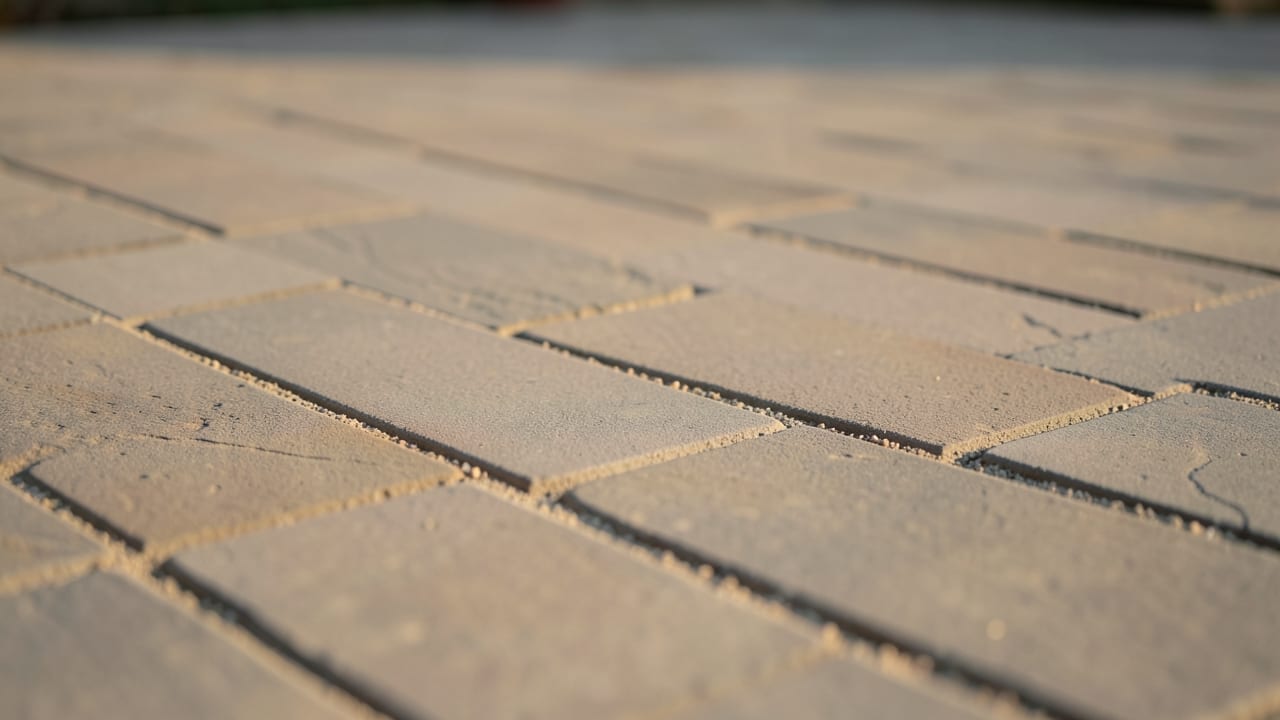
Stone Patios Cleaning
High-pressure washing to remove dirt, stains, and grime from stone patio surfaces.
In Garden City Beach, SC, stone patios exposed to coastal humidity, salt spray, and organic debris often develop algae, efflorescence, or darkened mortar joints over time.
Pressure washing tailored to natural stone restores their appearance while preserving the integrity of materials like flagstone, travertine, and slate—without risking damage to softer surfaces or eroding mortar. The process focuses on cleaning without compromising the longevity of your outdoor space.
We also handle Vinyl Fence Cleaning and Chimney Exterior Cleaning for Garden City Beach properties.
When to clean your stone patio
A stone patio that looks uniformly discolored—especially with a greenish or black film on shaded sides—likely has algae or mildew, which thrive in coastal moisture. Efflorescence, a white, chalky haze, indicates mineral deposits from moisture seeping through the stone.
Dark staining concentrated below downspouts or rooflines suggests runoff carrying dirt, while crumbling mortar joints may require repointing before cleaning.
Cleaning too frequently can strip natural oils from the stone, while waiting too long risks permanent staining or mortar erosion. A visual inspection for these signs helps determine if pressure washing is needed—or if pre-treatment for algae, repointing, or sealing is also required.
Signs Your Stone Patio Needs Cleaning
- A greenish or black film on shaded areas (algae/mildew).
- White, patchy haze (efflorescence) that doesn’t wipe away.
- Dark stains directly below downspouts or rooflines (runoff buildup).
- Mortar joints that appear recessed, crumbly, or darker than the surrounding stone.
- Visible streaking or residue when wiping the surface with a damp cloth.
What affects pricing and timing
The size of your patio, the type of stone, and the extent of staining or mortar damage all influence cost and duration. Soft or porous stone requires lower pressure and more careful technique, while heavily stained surfaces may need pre-treatment to avoid streaking.
Accessibility—such as patios surrounded by landscaping or with tight corners—can also extend the job time.
Seasonal factors matter too. Washing masonry just before freezing temperatures risks moisture trapping in the stone, leading to cracks. Ideal timing is during mild, dry weather when the patio can dry fully afterward.
Common mistakes to avoid
Using high-pressure settings on soft stone or directly into mortar joints accelerates erosion, turning a cleaning job into costly repairs. Skipping a pre-inspection for mortar condition can lead to further damage during washing. Rinsing without checking joints afterward may overlook deterioration that was hidden by years of grime.
Applying non-breathable sealers after cleaning can trap moisture inside the stone, worsening long-term damage. Always choose a vapor-permeable sealer to let existing moisture escape while reducing future absorption.
Directing a pressure washer straight into mortar joints—even at low PSI—can erode them faster than natural weathering. Older or softer stone may pit under pressure meant for harder surfaces. A pre-job inspection for mortar recession and stone type ensures the cleaning process protects your patio’s structure.
How stone patio cleaning works
A professional approach balances thorough cleaning with preserving your patio’s materials.
- 1Inspect Mortar and Stone
The technician checks mortar joints for crumbling or recession and assesses the stone’s hardness. Softer or older stone requires lower pressure to avoid pitting, while sound mortar can tolerate a broader range of settings.
- 2Apply Masonry-Safe Solution
A targeted detergent breaks down algae, efflorescence, and organic stains without scrubbing, which can damage softer surfaces. The solution is left to dwell briefly before rinsing.
- 3Pressure Wash at Controlled Angles
Using a low-to-medium PSI setting, the washer moves across the stone’s face—not directly into joints—to avoid accelerating mortar erosion. Corners and edges receive extra attention at reduced pressure.
- 4Rinse and Re-Inspect Joints
A final rinse removes loosened residue, and the technician checks mortar joints again. Any newly visible deterioration is noted, as cleaning often reveals hidden issues.
- 5Recommend Post-Cleaning Care
If needed, a vapor-permeable sealer is applied to reduce future moisture absorption. Redirecting downspouts or adjusting landscaping may also be suggested to prevent recurring stains.
Frequently asked questions
Will pressure washing damage my stone patio?
When done correctly, it restores the surface without harm. However, older or softer stone—and mortar joints already weakened by erosion—require lower pressure and careful technique. A pre-job inspection ensures the method matches your patio’s materials.
How often should I clean my stone patio?
Coastal areas may need cleaning every 1–3 years, depending on exposure to salt spray and organic debris. Light maintenance—like sweeping and occasional rinsing—can extend the time between deep cleanings.
Can I use a pressure washer myself?
DIY washing risks damaging soft stone or mortar if the pressure or technique is incorrect. Professionals use equipment and solutions calibrated to masonry, reducing the chance of accelerated wear or uneven results.
Why does my patio still look dirty after cleaning?
Streaking or residue can occur if the stone is porous or if pre-treatment wasn’t applied to stubborn stains. A second pass with a masonry-safe solution often resolves this, but some discoloration may be inherent to the stone.
See Myrtle Beach, SC for more, or take a look at everything on offer in Garden City Beach across the area for our complete lineup.
Ready to get started?
Talk to a local pressure washing pro in Garden City Beach — get a written quote.
Other Pressure Washing Services in Garden City Beach

Vinyl Fence Cleaning in Garden City Beach, SC
High-pressure cleaning to remove dirt, mold, and grime from vinyl fences, restoring their appearance.
Learn More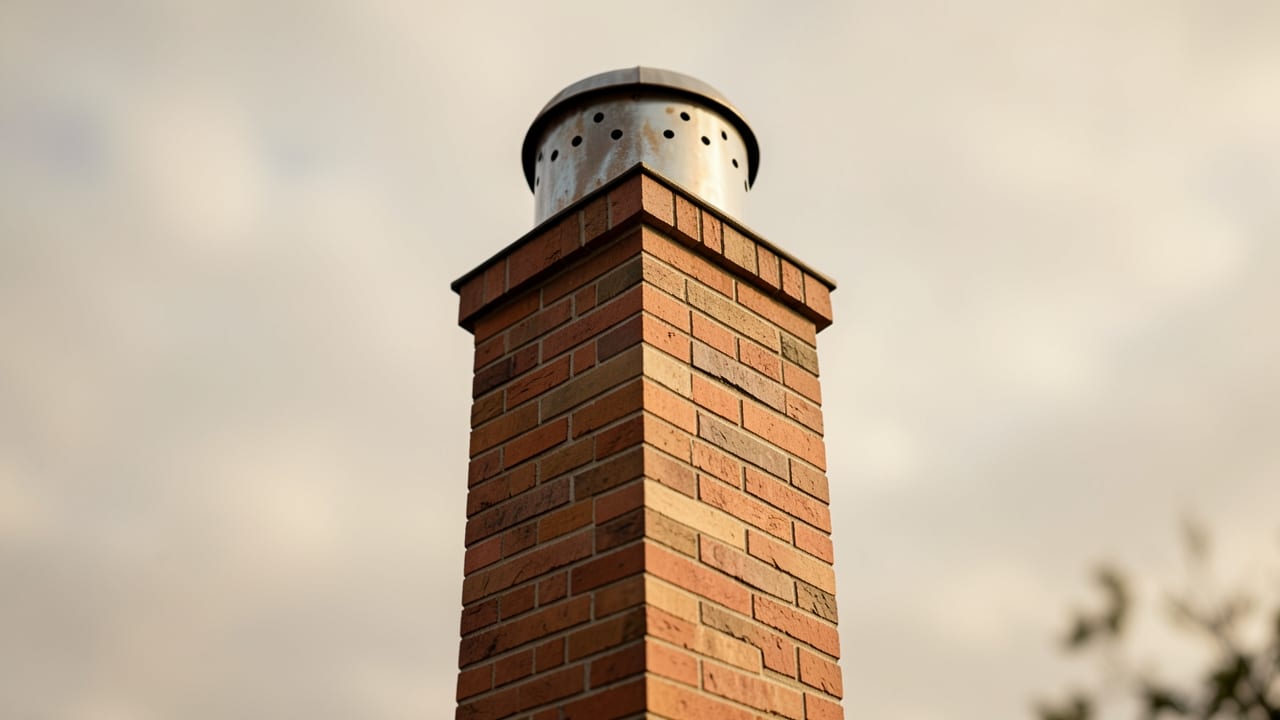
Chimney Exterior Cleaning in Garden City Beach, SC
Pressure washing to remove soot, dirt, and stains from chimney exteriors.
Learn More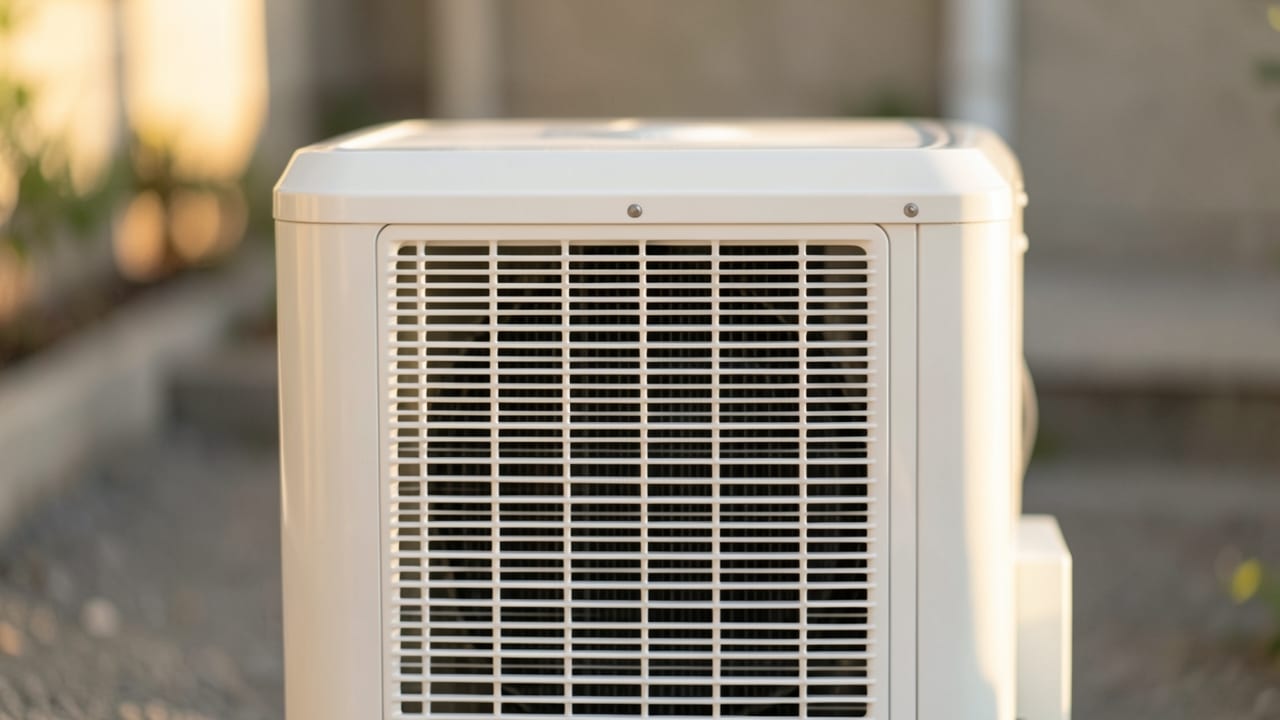
AC Unit Exterior Cleaning in Garden City Beach, SC
Pressure washing to remove dirt, debris, and grime from outdoor AC unit coils and housing.
Learn More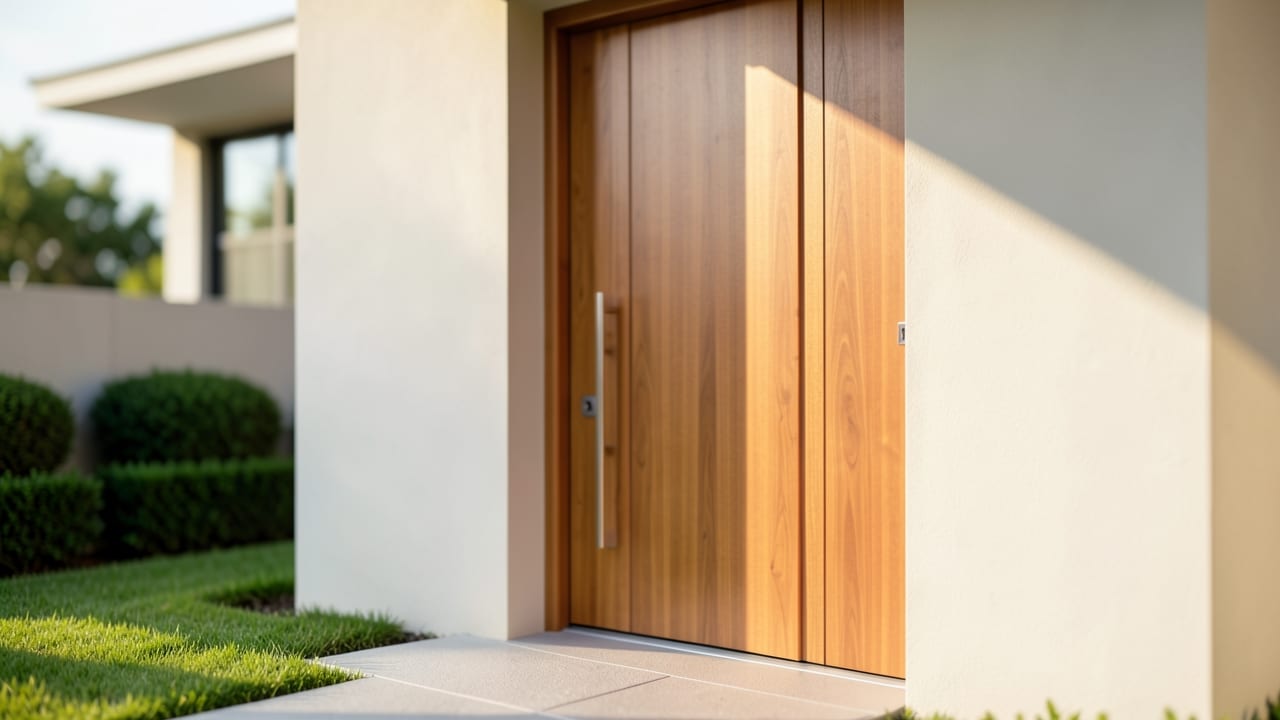
Exterior Door Cleaning in Garden City Beach, SC
High-pressure cleaning to remove dirt, grime, and stains from exterior doors.
Learn More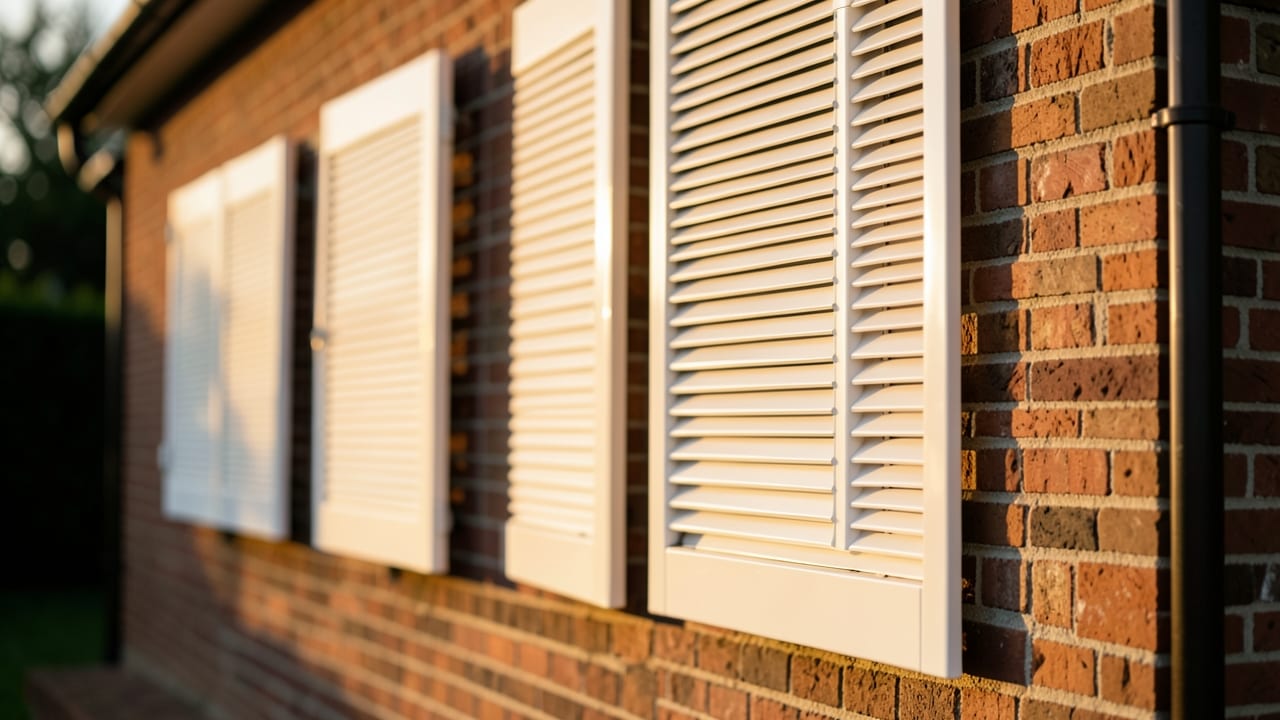
Shutter Cleaning in Garden City Beach, SC
Professional pressure washing to remove dirt, grime, and debris from exterior shutters.
Learn More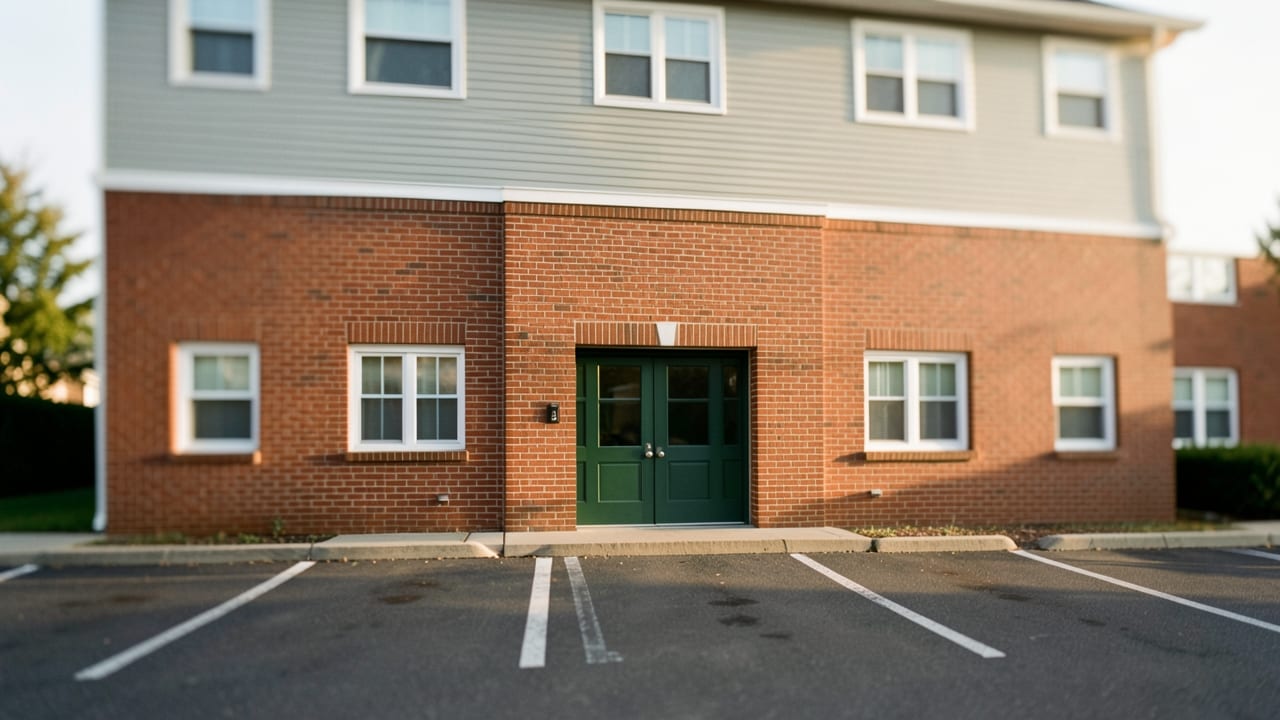
Apartment Complex Washing in Garden City Beach, SC
High-pressure cleaning of apartment building exteriors, walkways, and common areas to remove dirt and grime.
Learn MoreCommon Questions About Pressure Washing in Garden City Beach
Everything you need to know about pressure washing services in Garden City Beach
How much does Stone Patios Cleaning typically cost in Garden City Beach, SC?
Why does algae and mildew growth on homes in Garden City Beach, SC come back so quickly?
What's the actual difference between pressure washing and soft washing?
How often should a home's exterior actually be washed?
Are the cleaning chemicals used in soft washing safe for landscaping and pets?
Would home insurance cover damage caused by improper pressure washing?
Need Pressure Washing in Garden City Beach?
Get a written quote from our Garden City Beach crew.
⏰ We answer your call • Serving all of Garden City Beach and surrounding areas