How to Safely Pressure Wash Vinyl Siding in Garden City Beach
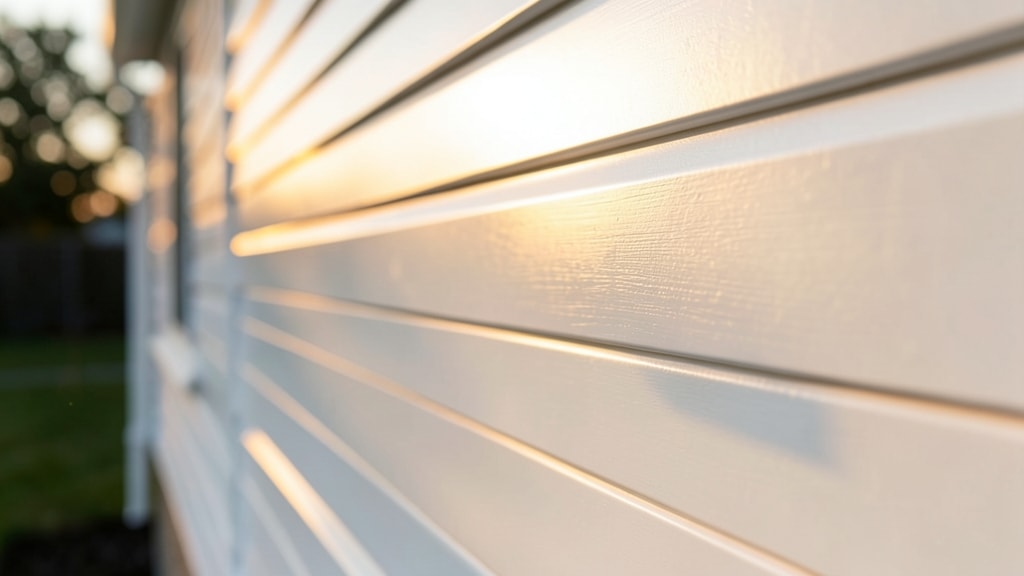
Vinyl siding is a staple in coastal homes near Garden City Beach, but it demands the right technique to clean without causing harm. We’ve seen firsthand how improper pressure washing strips paint, cracks panels, or leaves streaks. Here’s how to do it safely and effectively.
Why Vinyl Siding Needs Special Care Here
Our coastal climate—salt air, humidity, and frequent storms—accelerates grime, mold, and mildew buildup on vinyl. Regular cleaning preserves curb appeal and prevents long-term damage.
Unlike wood or brick, vinyl can warp or crack under high pressure. The key is using the right PSI, nozzle, and technique to avoid costly mistakes.
Choosing the Right Pressure Washer for Vinyl
For vinyl siding, we recommend a machine with 1,200 to 1,900 PSI and a flow rate of 1.2 to 1.5 GPM. Anything higher risks damaging the material.
Electric pressure washers are ideal for most homes in Surfside Beach or Murrells Inlet. Gas models offer more power but require extra caution to avoid over-pressurizing.
| PSI Range | GPM Range | Nozzle Tip | Best For |
|---|---|---|---|
| 1,200–1,500 | 1.2–1.4 | 25° or 40° | Light to moderate dirt |
| 1,600–1,900 | 1.4–1.5 | 25° or 40° | Stubborn stains, mildew |
| 2,000+ | 1.5+ | N/A | Avoid for vinyl |
Prep Work: The Key to a Flawless Clean
Start by removing loose debris with a soft-bristle brush or leaf blower. Cover nearby plants and outdoor furniture to protect them from cleaning solutions.
Inspect the siding for cracks or loose panels. Pressure washing can worsen existing damage, so repair these areas first.
Pre-Wash Checklist
- Clear gutters and downspouts
- Close windows and doors tightly
- Test pressure on an inconspicuous area
- Mix detergent per manufacturer guidelines
The Right Nozzle and Technique
Always use a 25° or 40° nozzle—narrower tips (0° or 15°) can cut into vinyl. Hold the wand 12–18 inches from the surface and work in smooth, overlapping strokes.
Work from top to bottom to prevent streaking. For stubborn spots, pre-treat with a vinyl-safe detergent rather than increasing pressure.
Never spray upward under the siding. Water forced behind panels can cause warping or mold growth inside walls.
Cleaning Solutions: What’s Safe for Vinyl?
A mix of water and mild detergent (or a vinyl-specific cleaner) works for most jobs. For mold or mildew, a 10% bleach solution (1 part bleach to 9 parts water) is effective but requires rinsing thoroughly.
Avoid harsh chemicals like undiluted bleach or ammonia. These can discolor vinyl or harm nearby landscaping, a common issue in Pawleys Island’s lush neighborhoods.
Apply cleaning solutions with a pump sprayer, not the pressure washer. This ensures even coverage without risking damage.
Rinsing and Drying Like a Pro
Rinse the siding with clean water, starting from the top and working downward. Use a wide-angle nozzle (40°) for this step to avoid streaks.
Let the siding air-dry completely before inspecting. If streaks remain, repeat the cleaning process with adjusted pressure or detergent.
When to Call in the Pros
For multi-story homes, extensive mold, or if you’re unsure about your equipment, hiring a professional is the safest choice. We handle everything from house washing to roof soft washing in Garden City Beach and beyond.
Pros also have access to commercial-grade equipment and eco-friendly cleaners that deliver deeper, longer-lasting results.
In areas like Myrtle Beach or Murrells Inlet, salt residue can be tougher to remove. Professionals often use specialized pre-treatments for coastal homes.
Maintenance to Extend Your Siding’s Life
Schedule a cleaning every 12–18 months to prevent buildup. In our coastal climate, more frequent washing may be needed to combat salt and humidity.
After cleaning, inspect for damage and reapply caulk or sealant as needed. This is especially important before the stormy season hits.
How to Pressure Wash Vinyl Siding in 5 Steps
Follow this streamlined process for a safe, effective clean.
- 1Prep the Area
Remove debris, cover plants, and repair any damaged siding. Test your pressure washer on a hidden spot to gauge pressure.
- 2Apply Cleaner
Use a pump sprayer to apply detergent or bleach solution. Let it dwell for 5–10 minutes, but don’t allow it to dry.
- 3Pressure Wash
Use a 25° or 40° nozzle, keeping the wand 12–18 inches away. Work in sections from top to bottom.
- 4Rinse Thoroughly
Switch to a 40° nozzle and rinse with clean water, ensuring all detergent is removed.
- 5Inspect and Dry
Check for streaks or missed spots. Allow the siding to air-dry completely before touching up if needed.
Frequently Asked Questions
Can I pressure wash vinyl siding myself, or should I hire a pro?
DIY is possible with the right equipment and technique, but mistakes can be costly. For high or hard-to-reach areas, or if mold is severe, hiring a local pro is worth the peace of mind.
When is a good time of year to pressure wash vinyl siding in Garden City Beach?
Spring or fall is ideal—mild temperatures and lower humidity help the siding dry faster. Avoid cleaning in direct sunlight or freezing temps.
How do I remove black streaks from my vinyl siding?
Black streaks are often mold or mildew. Pre-treat with a 10% bleach solution, then pressure wash with a 25° nozzle. For persistent stains, a soft wash may be necessary.
Will pressure washing damage my vinyl siding?
Only if done incorrectly. Using too much PSI, the wrong nozzle, or spraying upward can cause cracks, warping, or water intrusion. Stick to 1,200–1,900 PSI and proper technique.
Do I need to use a detergent, or is water enough?
Water alone won’t remove mold, mildew, or salt residue common in coastal areas like Surfside Beach. A vinyl-safe detergent or mild bleach solution is recommended for a deep clean.
How often should I clean my vinyl siding?
In our coastal climate, we recommend every 12–18 months. Homes closer to the ocean or in high-humidity areas like Murrells Inlet may need more frequent cleaning.